
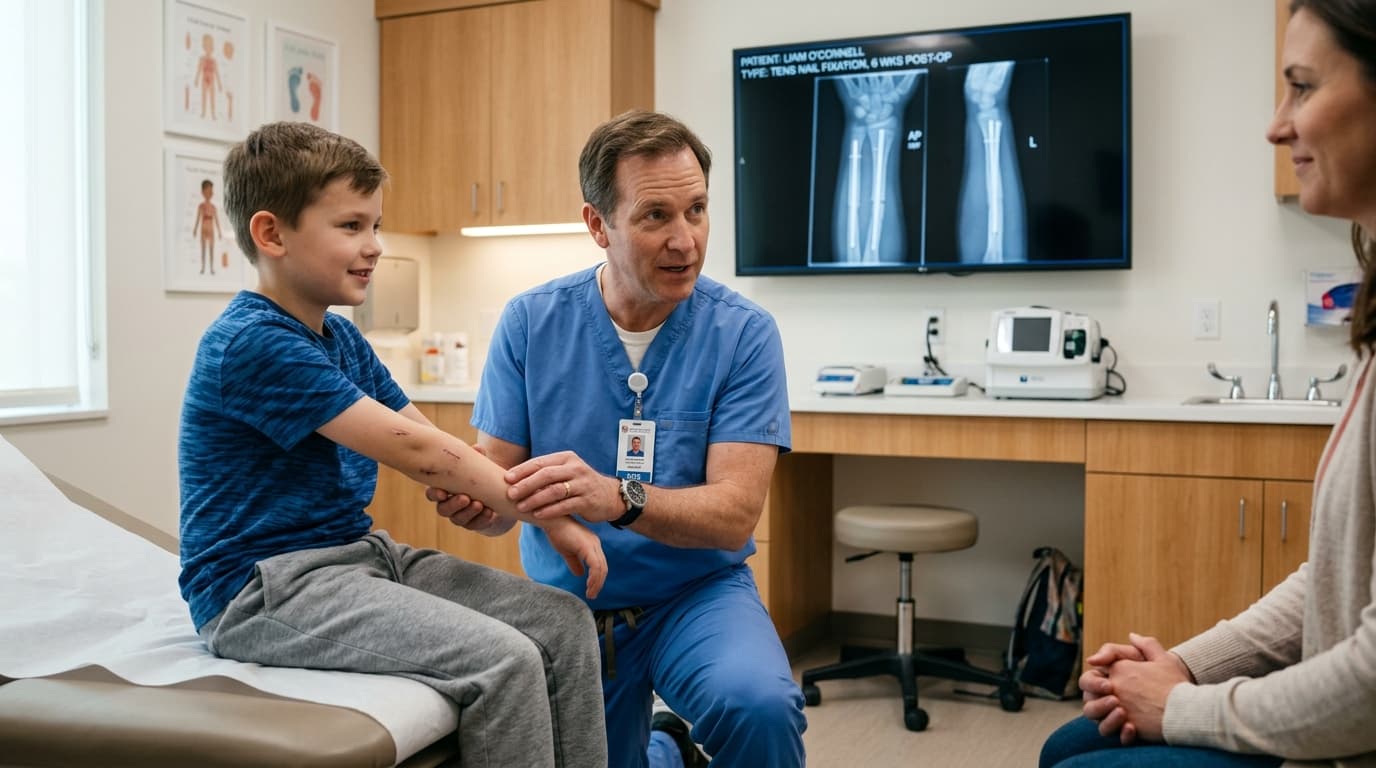

Understanding Paediatric Fractures & Elastic Nailing Trauma Care
Children's bones possess a thick, active periosteum, tremendous remodeling potential, and delicate growth plates that require specialized care. Common childhood fractures (forearm, supracondylar elbow, femur, and tibia) must be treated with pediatric-specific protocols. Unstable or displaced fractures benefit from minimally invasive Elastic Stable Intramedullary Nailing (ESIN)—inserting flexible titanium pins through tiny pinhole incisions without cutting muscles or damaging growth plates.
AIIMS Apex Trauma & AO Reconstruction Rigor
Complex articular fractures require anatomical joint surface restoration and stable biological fixation according to international AO principles to prevent post-traumatic arthritis and enable prompt joint mobilization.
When Should You Consider Consultation for Paediatric Fractures?
Specialist intervention is considered when joint pain or functional limitation significantly disrupts your daily life and conservative measures have been exhausted. Check if you experience any of the following:
Child with severe arm or leg pain, swelling, deformity, or refusal to bear weight following a fall.
Acute pediatric elbow trauma (supracondylar fracture)—requires prompt evaluation of nerves and blood vessels.
Displaced forearm, femur, or tibia fracture requiring precise alignment.
Fracture involving or crossing a growth plate (Salter-Harris fracture).
Second opinion regarding whether a child's fracture requires surgery or casting.

Dr. Vijay Kumar
Verified SpecialistSenior Consultant Orthopaedic, Robotic Joint Replacement & Complex Articular Trauma Surgeon
“My surgical philosophy centers on biological preservation, anatomical restoration, and rapid functional recovery. By tailoring the intervention to each patient's unique anatomy and lifestyle, we achieve lasting pain relief and active mobility.”
The 4-Stage Precision Clinical Workflow
3D CT Evaluation & Surgical Planning
Gentle sedation or anesthesia ensuring zero pain, fear, or anxiety.
Direct Anatomical Articular Reduction
Anatomical closed reduction under live high-resolution fluoroscopic imaging.
Rigid Internal Fixation (AO Protocol)
Insertion of flexible titanium elastic nails through tiny 1-cm incisions remote from fracture.
Supervised Early Mobilization & Healing
Three-point biomechanical stability achieved inside the bone canal without exposing fracture.
Stage 05: Reconstruction Stage
Application of a light protective splint facilitating early discharge within 24–48 hours.
Treatment Modalities Offered
Dr. Vijay Kumar practices conservative joint-sparing protocols first, proceeding to advanced surgical intervention only when indicated:
Non-Surgical & Joint Sparing
- Closed Reduction and specialized child-friendly fiberglass cast immobilization
- Waterproof lightweight cast options for stable forearm fractures
- Serial radiographic tracking at 1, 2, and 4 weeks to monitor remodeling
Specialised Surgical Procedures
- Elastic Stable Intramedullary Nailing (ESIN / TENS) for femur, tibia, and forearm fractures
- Percutaneous K-wire pin fixation for pediatric supracondylar elbow fractures
- Minimally invasive screw fixation for displaced physeal ankle fractures
- Outpatient removal of flexible pins after solid bone union (3–6 months)
Recovery Timeline & Mobility Milestones
Days 1–3: Rapid pain resolution, comfortable movement of fingers and toes.
Weeks 3–4: Early bridging bone callus on follow-up X-rays; cast removal or progressive weight bearing.
Weeks 6–8: Solid bone union confirmed; return to full school activities and playground play.
Months 3–6: Outpatient removal of flexible titanium nails; unrestricted sports.
International Fellowship & Surgical Suite Records
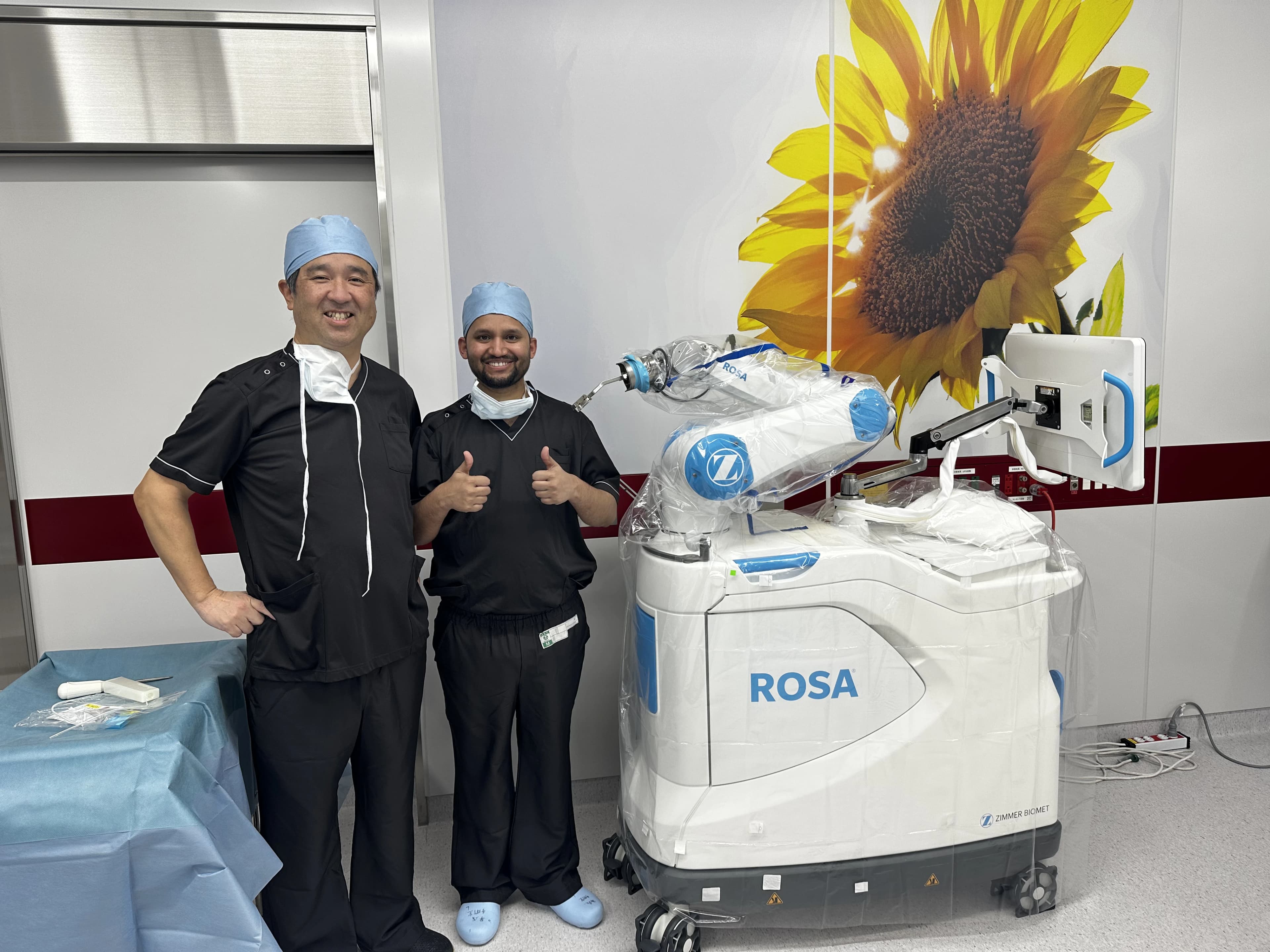
Intraoperative kinematics & 3D navigation alongside Japanese surgical faculty.
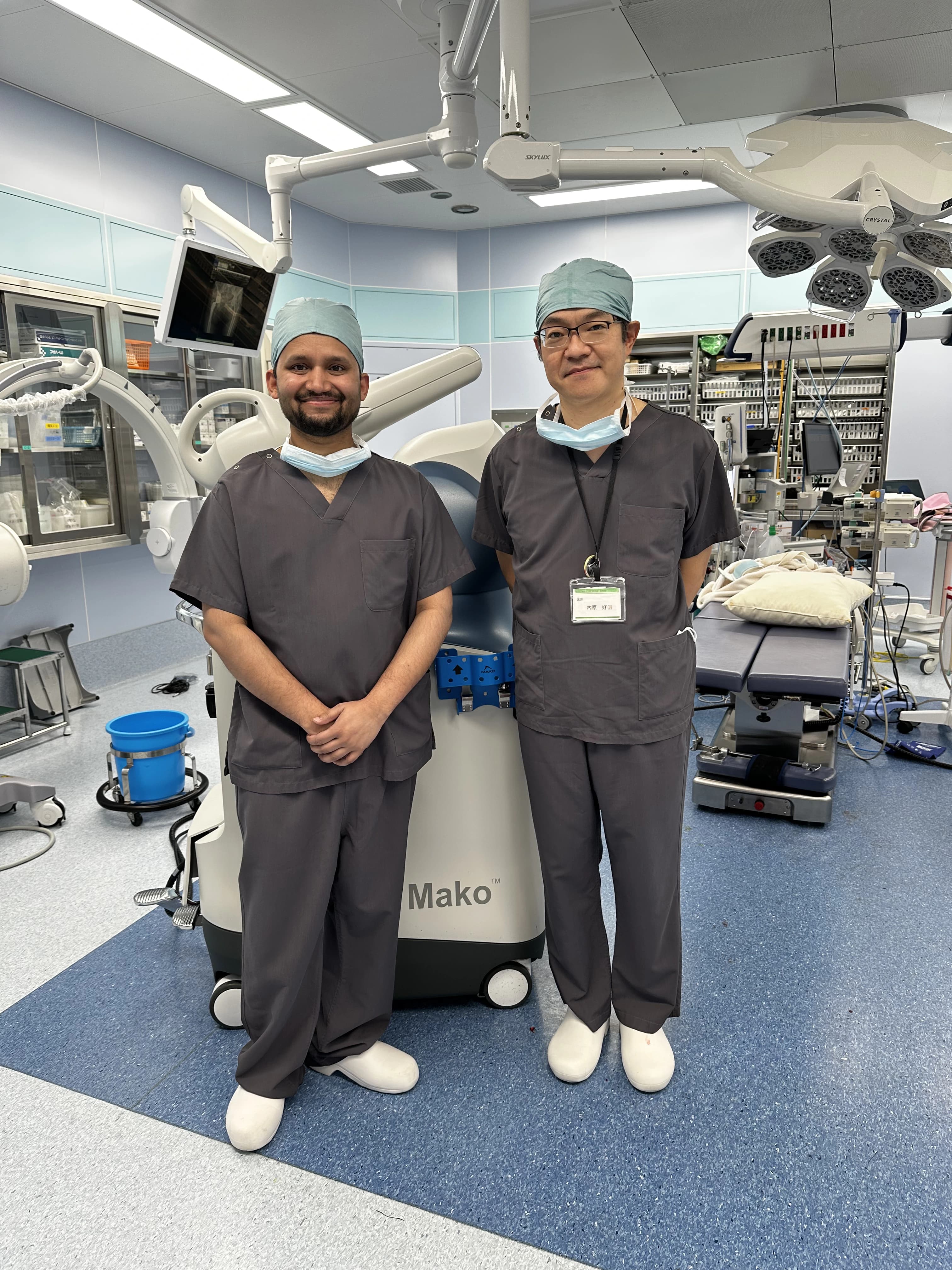
International fellowship-level precision applied to patient care in Patna.
Frequently Asked Questions on Paediatric Fractures
Elastic nails are inserted through tiny pinholes away from the fracture, preserving healing tissues. There is no large surgical scar, no cutting through muscles, and the nails are easily removed later.