
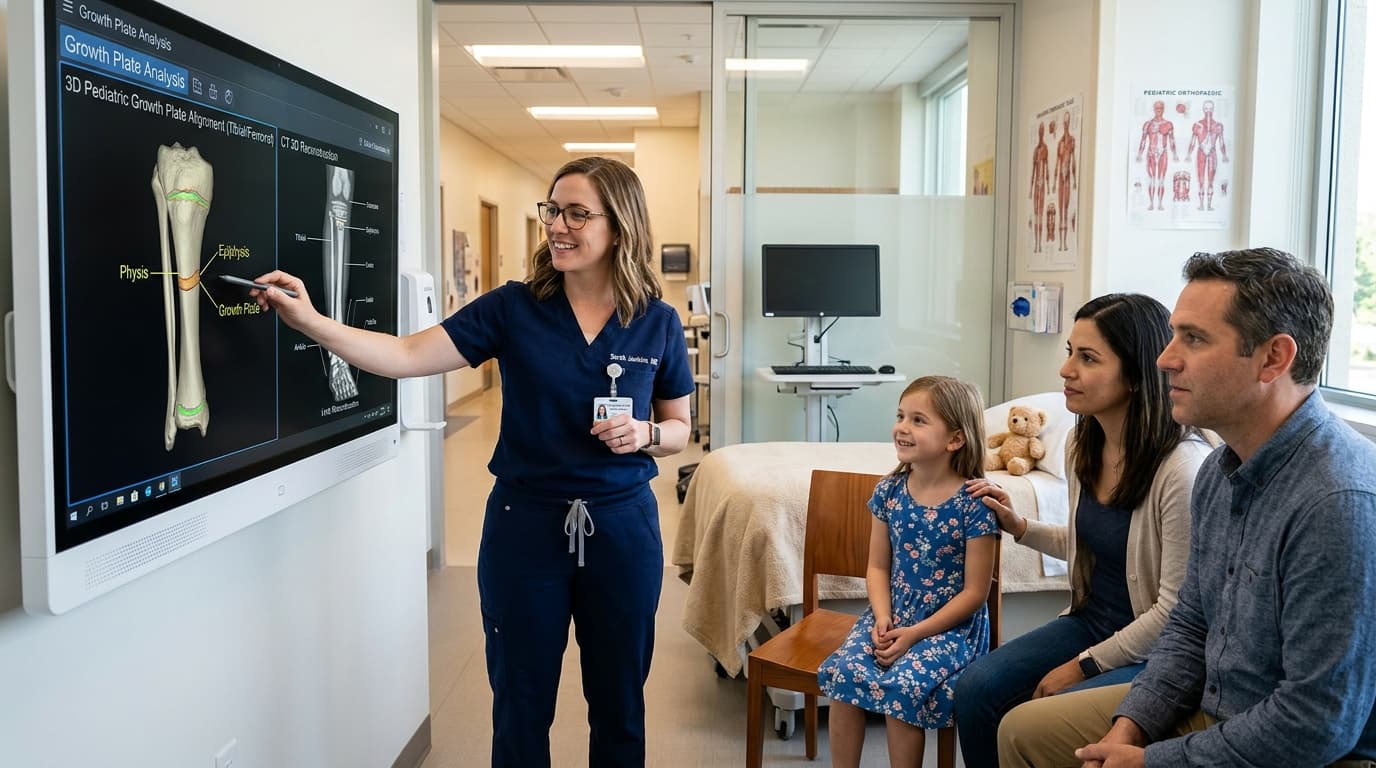

Understanding Growth Plate & Pediatric Limb Deformity Correction
The growth plates (physes) are specialized cartilage zones near the ends of children's long bones responsible for longitudinal growth. High-energy fractures, bone infections, or developmental conditions can cause premature growth plate arrest, forming a restrictive 'bony bar' that leads to progressive crookedness or limb length discrepancy.
The Biological Joint-Sparing Philosophy
By correcting mechanical weight-bearing malalignment through precision osteotomy and cartilage preservation, the load is shifted off damaged cartilage onto healthy bone—preserving your natural joint for years to come.
When Should You Consider Consultation for Growth Plate Deformities?
Specialist intervention is considered when joint pain or functional limitation significantly disrupts your daily life and conservative measures have been exhausted. Check if you experience any of the following:
Childhood fracture near knee, ankle, or wrist followed by progressive crookedness.
Noticeable limb length discrepancy causing a pelvic tilt, limp, or toe-walking.
Slowed growth or abnormal curvature of a limb following bone infection.
Asymmetric rotational deformity where one foot points inwards or outwards.
Second opinion following high-energy pediatric growth plate trauma.
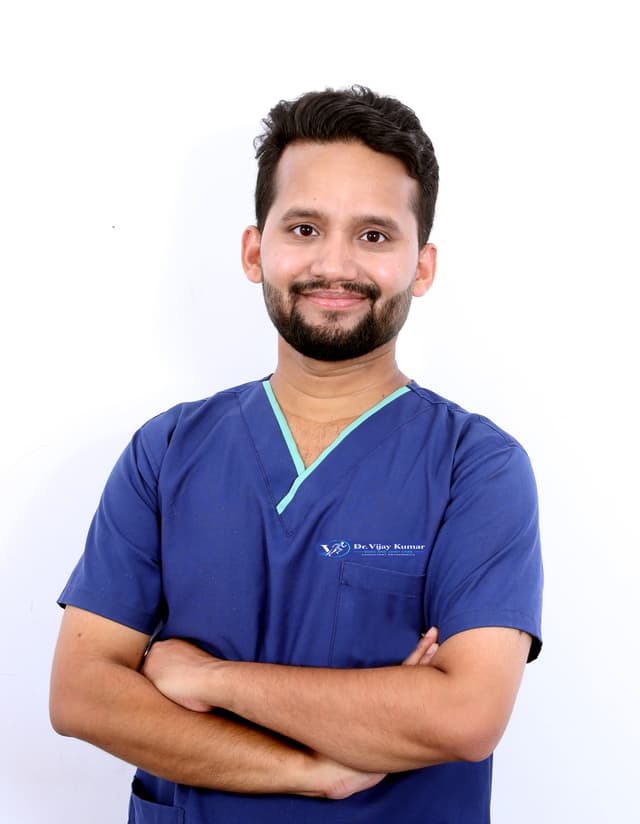
Dr. Vijay Kumar
Verified SpecialistSenior Consultant Orthopaedic, Robotic Joint Replacement & Complex Articular Trauma Surgeon
“My surgical philosophy centers on biological preservation, anatomical restoration, and rapid functional recovery. By tailoring the intervention to each patient's unique anatomy and lifestyle, we achieve lasting pain relief and active mobility.”
The 4-Stage Precision Clinical Workflow
Full-Leg Weight-Bearing Alignment Analysis
3D CT/MRI volumetric mapping calculating the exact location of the physeal bar.
Precision Biplanar Osteotomy Planning
Minimally invasive excision of the bony bridge under optical magnification.
Rigid Locking Plate Stabilization
Placement of an inert biological interposition spacer preventing bone bridge recurrence.
Protected Unloading & Gradual Rehabilitation
Simultaneous guided growth or epiphysiodesis to equalize limb lengths.
Stage 05: Joint Preservation Stage
Long-term follow-up with serial scanograms until skeletal maturity.
Treatment Modalities Offered
Dr. Vijay Kumar practices conservative joint-sparing protocols first, proceeding to advanced surgical intervention only when indicated:
Non-Surgical & Joint Sparing
- Shoe lift compensations for minor limb length discrepancies (<1.5–2 cm)
- Serial scanographic monitoring tracking growth velocity every 6 months
- Physical therapy for pelvic obliquity compensation and spinal balance
Specialised Surgical Procedures
- Physeal Bar Excision and interposition grafting
- Temporary or Permanent Epiphysiodesis to equalize limb length
- Guided Growth (Eight-Plates) for progressive angular correction
- Corrective Osteotomy with low-profile fixation for established rigid deformities
Recovery Timeline & Mobility Milestones
Week 1: Pain resolution, gentle motion, return to school.
Weeks 2–4: Progressive full weight bearing, gait normalization.
Weeks 6–8: Clearance for full physical education and playground sports.
Ongoing: Annual scanographic checkups monitoring symmetric growth.
International Fellowship & Surgical Suite Records
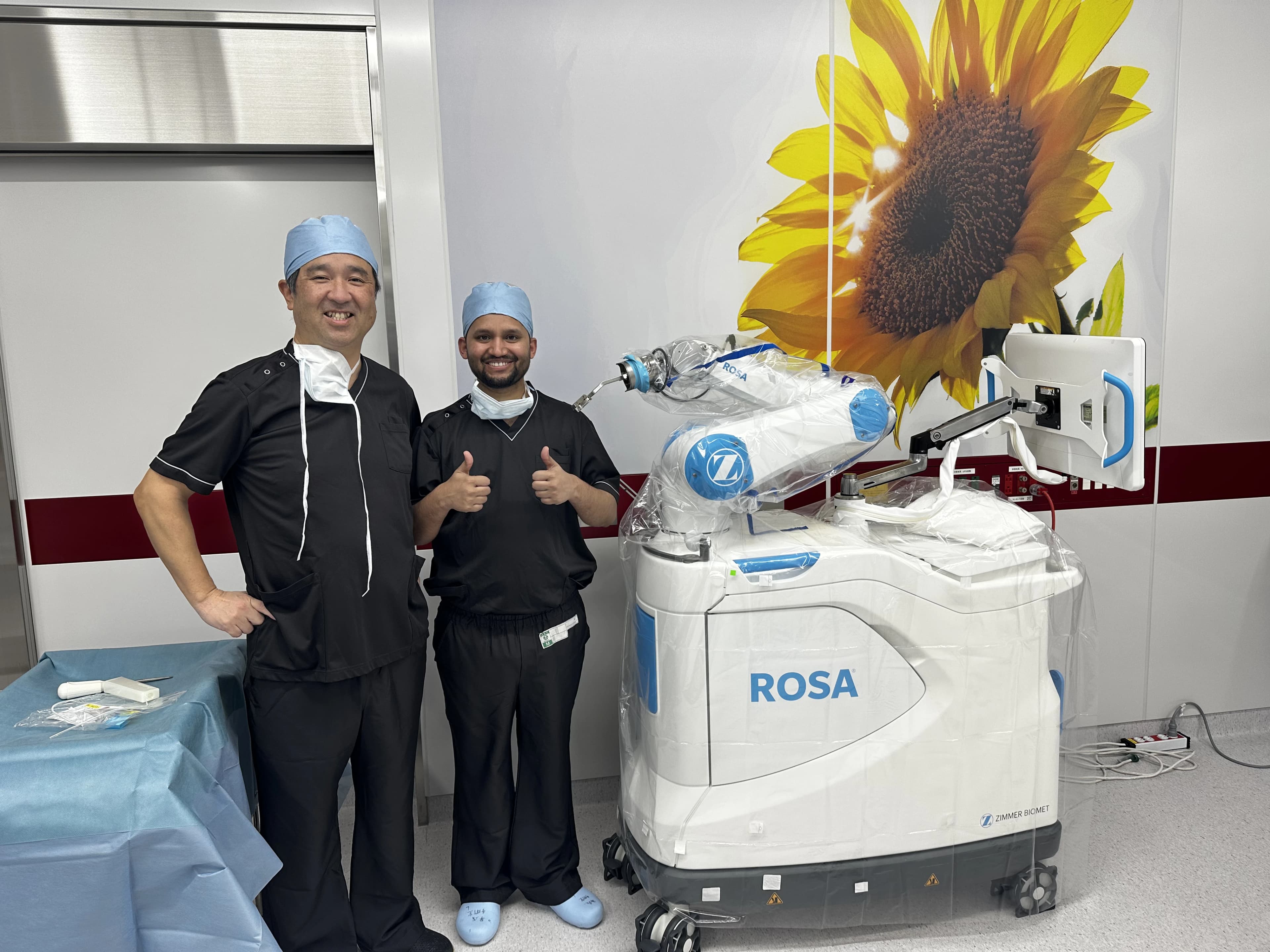
Intraoperative kinematics & 3D navigation alongside Japanese surgical faculty.
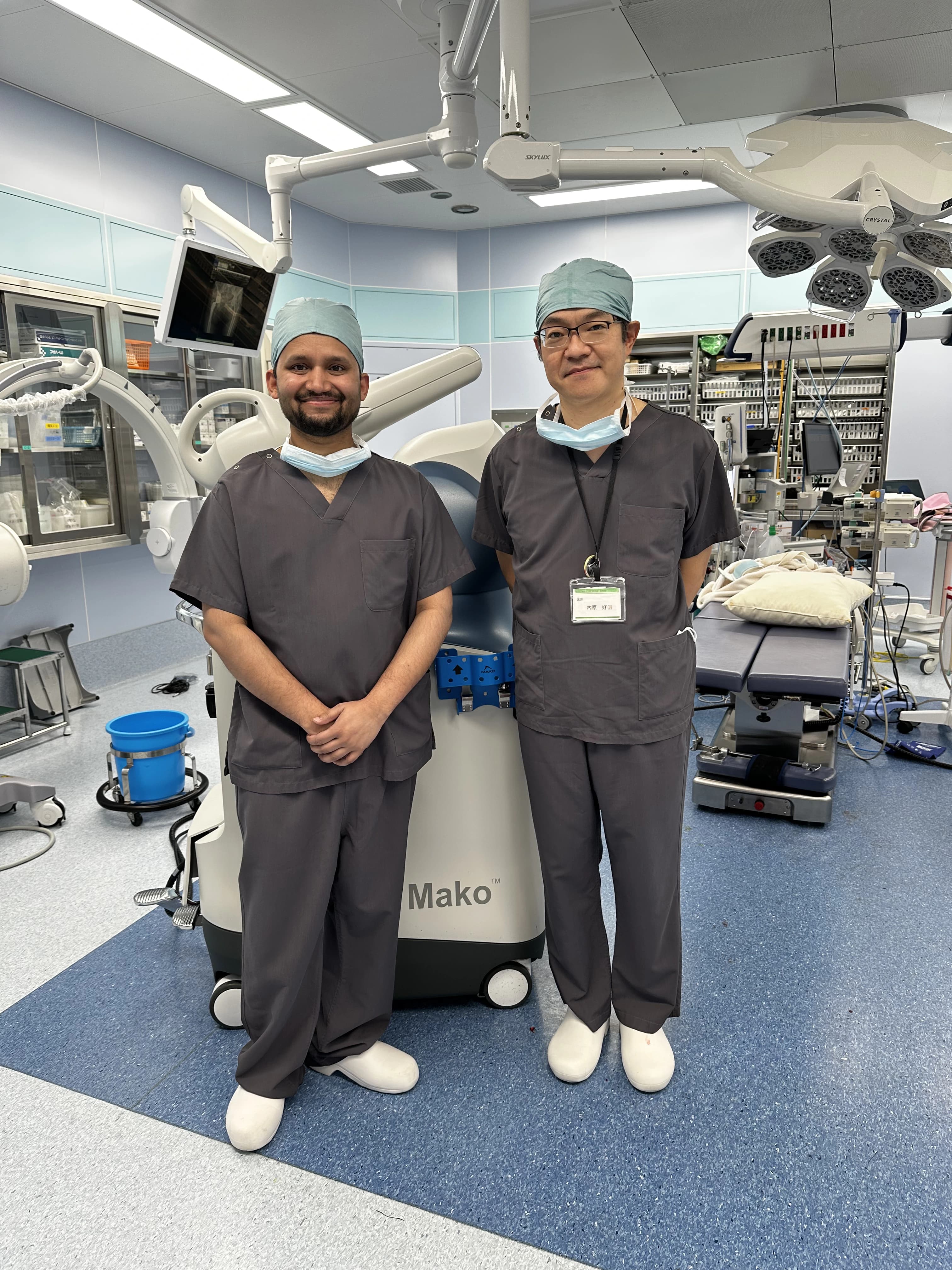
International fellowship-level precision applied to patient care in Patna.
Frequently Asked Questions on Growth Plate Deformities
A physeal bar is an abnormal bridge of bone that forms across a damaged growth plate, tethering the bone and causing it to grow crooked or stop growing. If caught early, it can be surgically removed.