

Understanding Minimally Invasive Joint Replacement Approaches
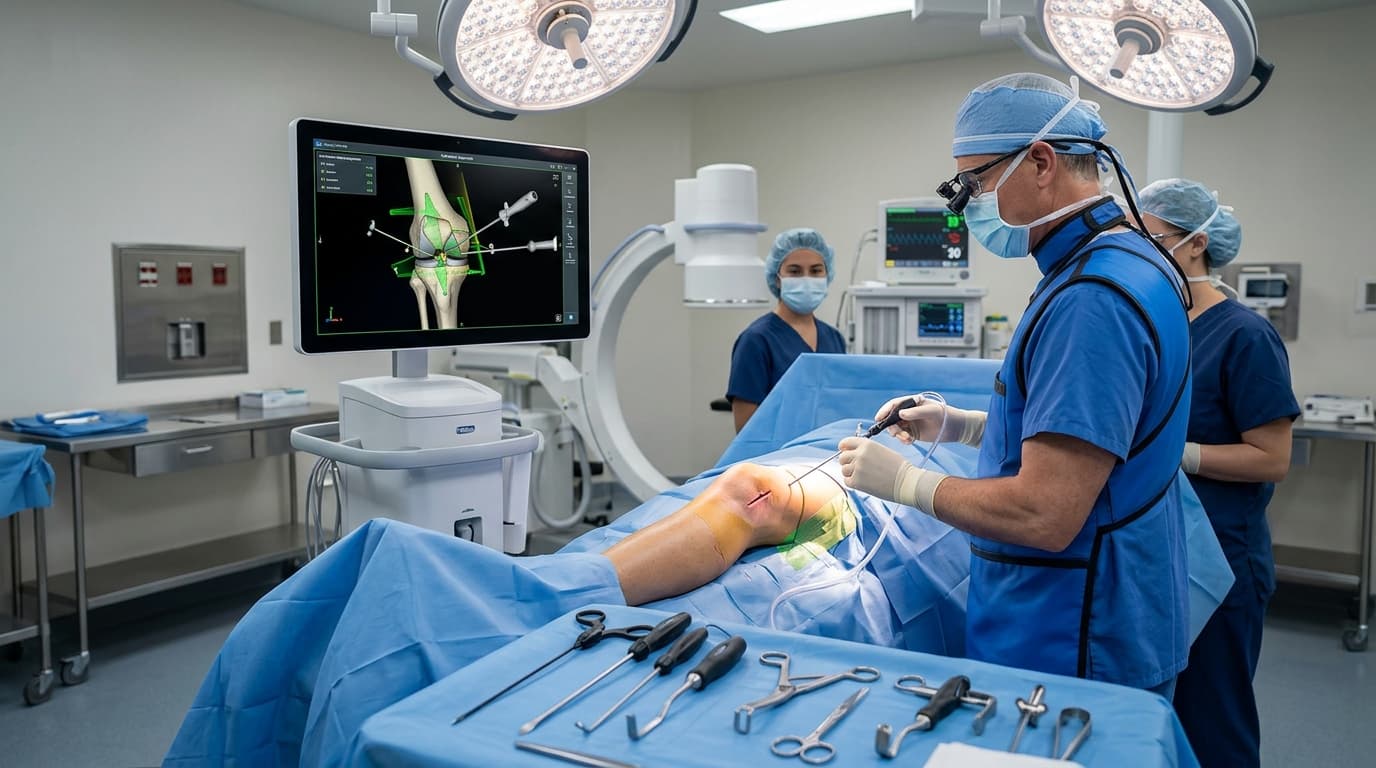
Traditional joint replacement approaches historically required cutting through major quadriceps muscle tendons or detaching hip abductor muscles, resulting in significant post-operative soreness and delayed muscular recovery. Minimally invasive arthroplasty utilizes tissue-sparing anatomical corridors—such as the subvastus/midvastus approach for the knee and direct anterior approach for the hip—sliding beneath or between muscles without cutting them. This preserves natural muscle strength, dramatically reduces blood loss, and enables confident same-day walking.
Personalized Evidence-Based Clinical Care
Every treatment protocol is tailored specifically to your diagnosis, anatomy, and lifestyle goals, combining cutting-edge surgical precision with structured physiotherapy for optimal long-term outcomes.
When Should You Consider Consultation for Minimally Invasive Arthroplasty?
Specialist intervention is considered when joint pain or functional limitation significantly disrupts your daily life and conservative measures have been exhausted. Check if you experience any of the following:
Severe knee or hip osteoarthritis requiring joint replacement where rapid functional recovery is a priority.
Working professionals or active seniors desiring to walk independently within days of surgery.
Patients concerned about post-operative pain, large surgical scars, or prolonged bed rest.
Desire for muscle-sparing surgical techniques that preserve native soft tissue tension.
Medical eligibility for fast-track outpatient or short-stay joint replacement protocols.
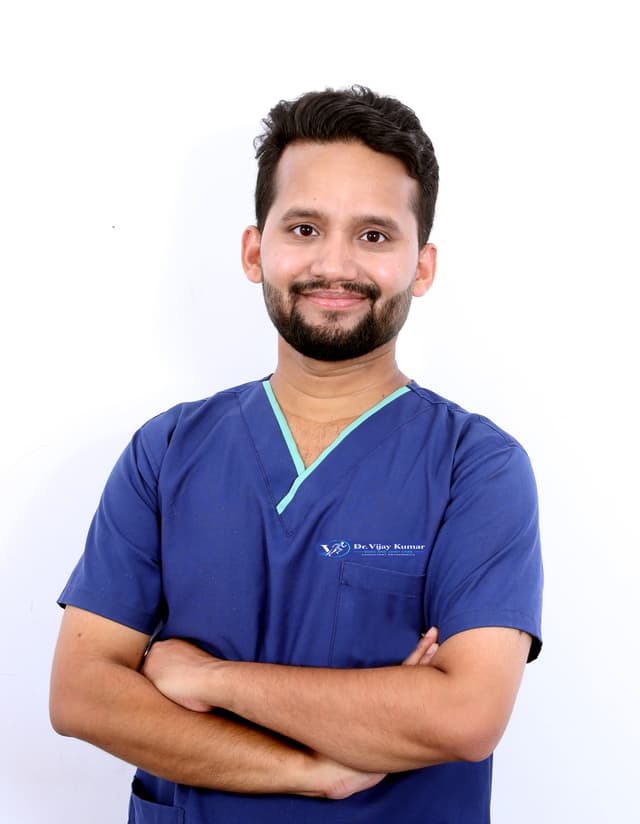
Dr. Vijay Kumar
Verified SpecialistSenior Consultant Orthopaedic, Robotic Joint Replacement & Complex Articular Trauma Surgeon
“My surgical philosophy centers on biological preservation, anatomical restoration, and rapid functional recovery. By tailoring the intervention to each patient's unique anatomy and lifestyle, we achieve lasting pain relief and active mobility.”
The 4-Stage Precision Clinical Workflow
Comprehensive Clinical & Imaging Diagnosis
Computerized pre-operative planning mapping bone geometry and implant sizing.
Tailored Minimally Invasive Approach
Cosmetically concealed skin incision aligned with natural skin tension lines.
Anatomical Restoration & Tissue Decompression
Gentle anatomical separation of muscles along natural intermuscular planes without tendon transection.
Accelerated Functional Rehabilitation
Precision robotic or navigation-guided bone cuts with sub-millimeter accuracy.
Stage 05: Treatment Phase
Implantation of biocompatible components, local multimodal analgesic infiltration, and rapid same-day mobilization.
Treatment Modalities Offered
Dr. Vijay Kumar practices conservative joint-sparing protocols first, proceeding to advanced surgical intervention only when indicated:
Non-Surgical & Joint Sparing
- Structured pre-operative 'pre-hab' conditioning of core and lower extremity muscles
- Weight management and low-impact joint conditioning
- Optimized medical co-morbidity management prior to scheduled surgery
- Pain management counseling and patient education
Specialised Surgical Procedures
- Minimally Invasive Subvastus Total Knee Replacement (Zero quadriceps tendon cutting)
- Minimally Invasive Midvastus / Mini-Parapatellar Arthroplasty
- Direct Anterior / Muscle-Sparing Total Hip Replacement
- Robotic-Navigated Tissue-Sparing Arthroplasty
Recovery Timeline & Mobility Milestones
Day of Surgery: Unassisted or walker-assisted standing and walking in the hospital room within hours.
Days 1–2: Stair climbing practice, independent bathroom mobility, comfortable discharge home.
Weeks 2–3: Transition to cane or independent walking, driving (for right knee), light office work.
Weeks 4–6: Unrestricted daily walking, resumption of swimming, cycling, and travel.
International Fellowship & Surgical Suite Records
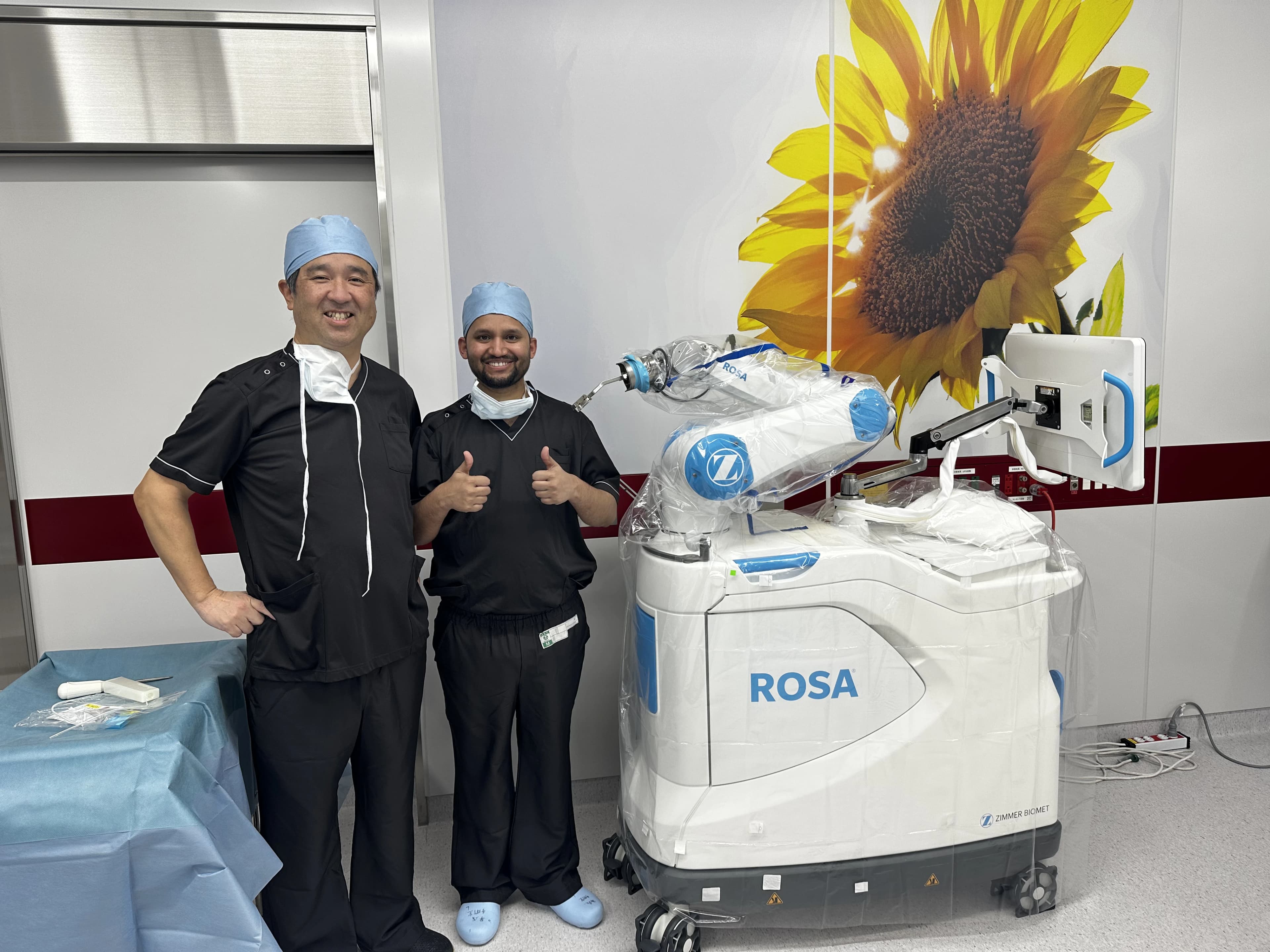
Intraoperative kinematics & 3D navigation alongside Japanese surgical faculty.
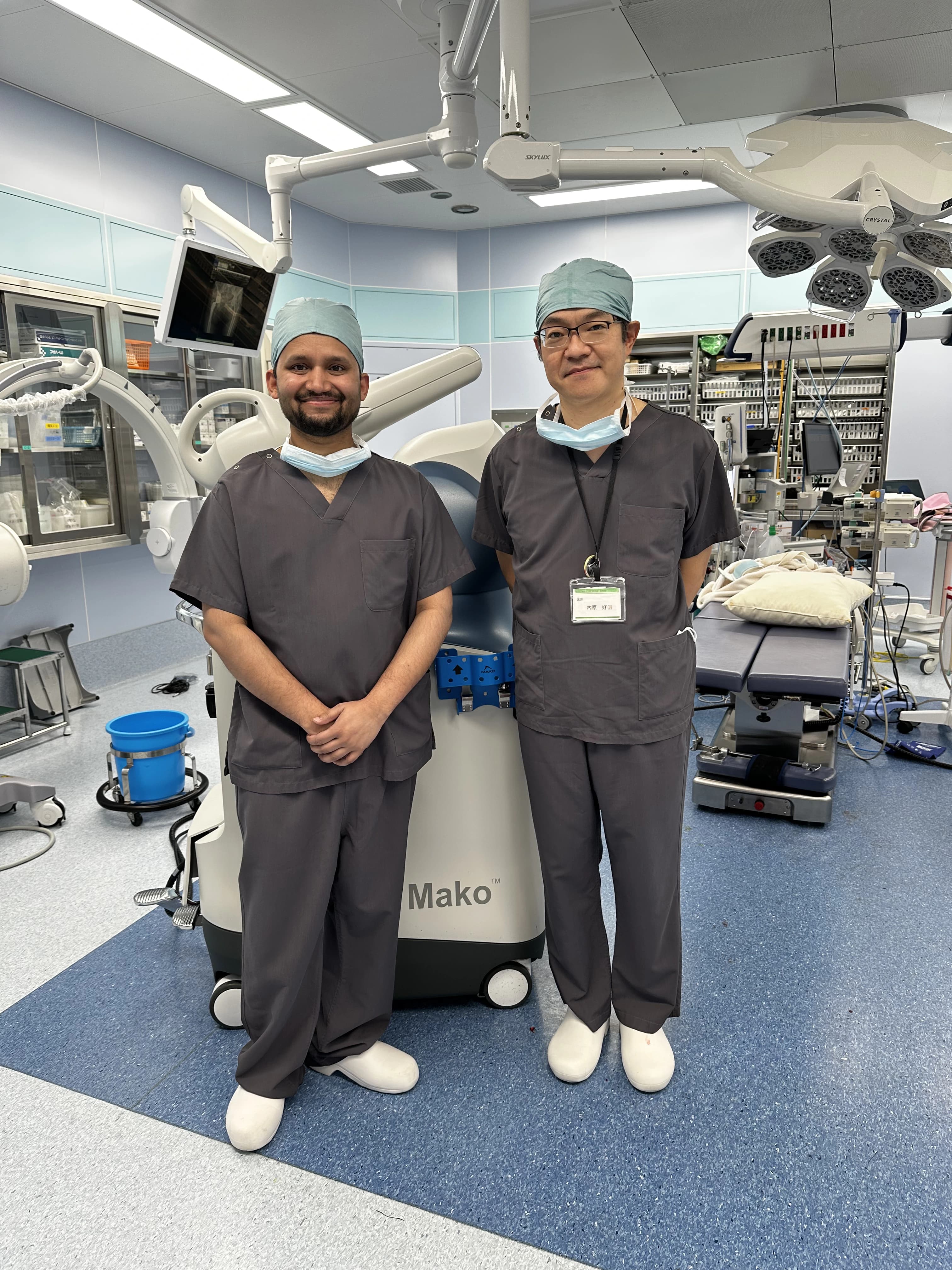
International fellowship-level precision applied to patient care in Patna.
Frequently Asked Questions on Minimally Invasive Arthroplasty
The subvastus approach goes underneath the quadriceps muscle without cutting its tendon. This allows immediate active straight leg raising, less pain, and faster unassisted walking.