
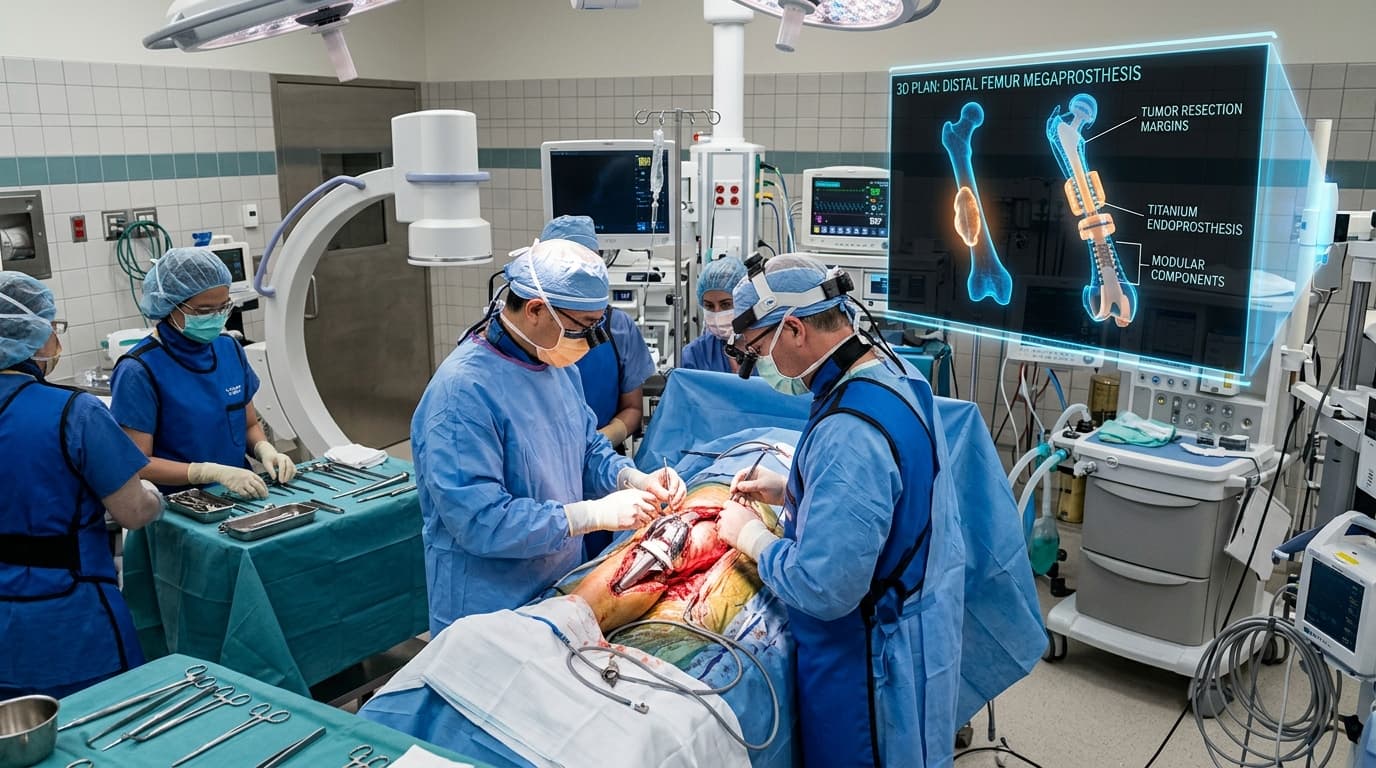

Understanding Limb Salvage & Complex Skeletal Reconstruction
Severe high-energy open trauma, infected nonunions, chronic bone infections (osteomyelitis), or tumor resections can result in massive segmental bone loss where several centimeters of bone are entirely missing. Historically, many of these cases faced limb amputation. Modern limb salvage orthopaedics utilizes advanced biological and biomechanical techniques—such as the Masquelet induced-membrane technique, bone transport (distraction osteogenesis), vascularized bone grafting, and modular mega-prostheses—to eradicate infection, reconstruct the skeletal framework, and preserve a functional, weight-bearing limb.
AIIMS Apex Trauma & AO Reconstruction Rigor
Complex articular fractures require anatomical joint surface restoration and stable biological fixation according to international AO principles to prevent post-traumatic arthritis and enable prompt joint mobilization.
When Should You Consider Consultation for Limb Salvage Surgery?
Specialist intervention is considered when joint pain or functional limitation significantly disrupts your daily life and conservative measures have been exhausted. Check if you experience any of the following:
Severe open fracture with extensive bone loss and soft-tissue damage following a major accident.
Chronic bone infection (osteomyelitis) with draining sinus, dead bone (sequestrum), and failure of prior surgeries.
Non-healing fracture with large gap (segmental bone defect) that has failed to unite.
Second opinion on limbs facing potential amputation following severe trauma or infection.
Persistent hardware infection with bone destruction requiring staged reconstruction.

Dr. Vijay Kumar
Verified SpecialistSenior Consultant Orthopaedic, Robotic Joint Replacement & Complex Articular Trauma Surgeon
“My surgical philosophy centers on biological preservation, anatomical restoration, and rapid functional recovery. By tailoring the intervention to each patient's unique anatomy and lifestyle, we achieve lasting pain relief and active mobility.”
The 4-Stage Precision Clinical Workflow
3D CT Evaluation & Surgical Planning
Radical debridement of all infected and non-viable bone tissue down to healthy bleeding bone ('paprika sign').
Direct Anatomical Articular Reduction
Implantation of an antibiotic-loaded polymethylmethacrylate (PMMA) cement spacer into the defect to induce a biological vascular membrane.
Rigid Internal Fixation (AO Protocol)
Rigid skeletal stabilization with locking plates or intramedullary nails.
Supervised Early Mobilization & Healing
Stage 2 (at 6–8 weeks): careful incision of the induced membrane and packing with concentrated autologous bone graft.
Stage 05: Reconstruction Stage
Closure of the biological membrane over the graft, promoting rapid vascularization and bone consolidation.
Treatment Modalities Offered
Dr. Vijay Kumar practices conservative joint-sparing protocols first, proceeding to advanced surgical intervention only when indicated:
Non-Surgical & Joint Sparing
- Targeted culture-specific intravenous antibiotic therapy coordinated with infectious disease specialists
- Negative pressure wound therapy (wound VAC) for soft tissue bed preparation
Specialised Surgical Procedures
- Masquelet Induced-Membrane Technique (Two-stage cement spacer followed by autologous bone grafting)
- Distraction Osteogenesis / Bone Transport using ring fixators or transport nails
- Radical Debridement of Osteomyelitis with antibiotic-loaded bone cement beads/spacers
- Modular Mega-Prosthetic Joint Reconstruction for massive periarticular bone loss
Recovery Timeline & Mobility Milestones
Stage 1 (Weeks 1–6): Infection eradication, soft tissue healing over the antibiotic spacer.
Stage 2 (Weeks 6–8): Second-stage bone grafting inside the induced membrane.
Months 3–6: Radiographic bridging and consolidation of the new bone graft.
Months 6–12: Progressive full weight bearing, muscle strengthening, and return to independent walking.
International Fellowship & Surgical Suite Records
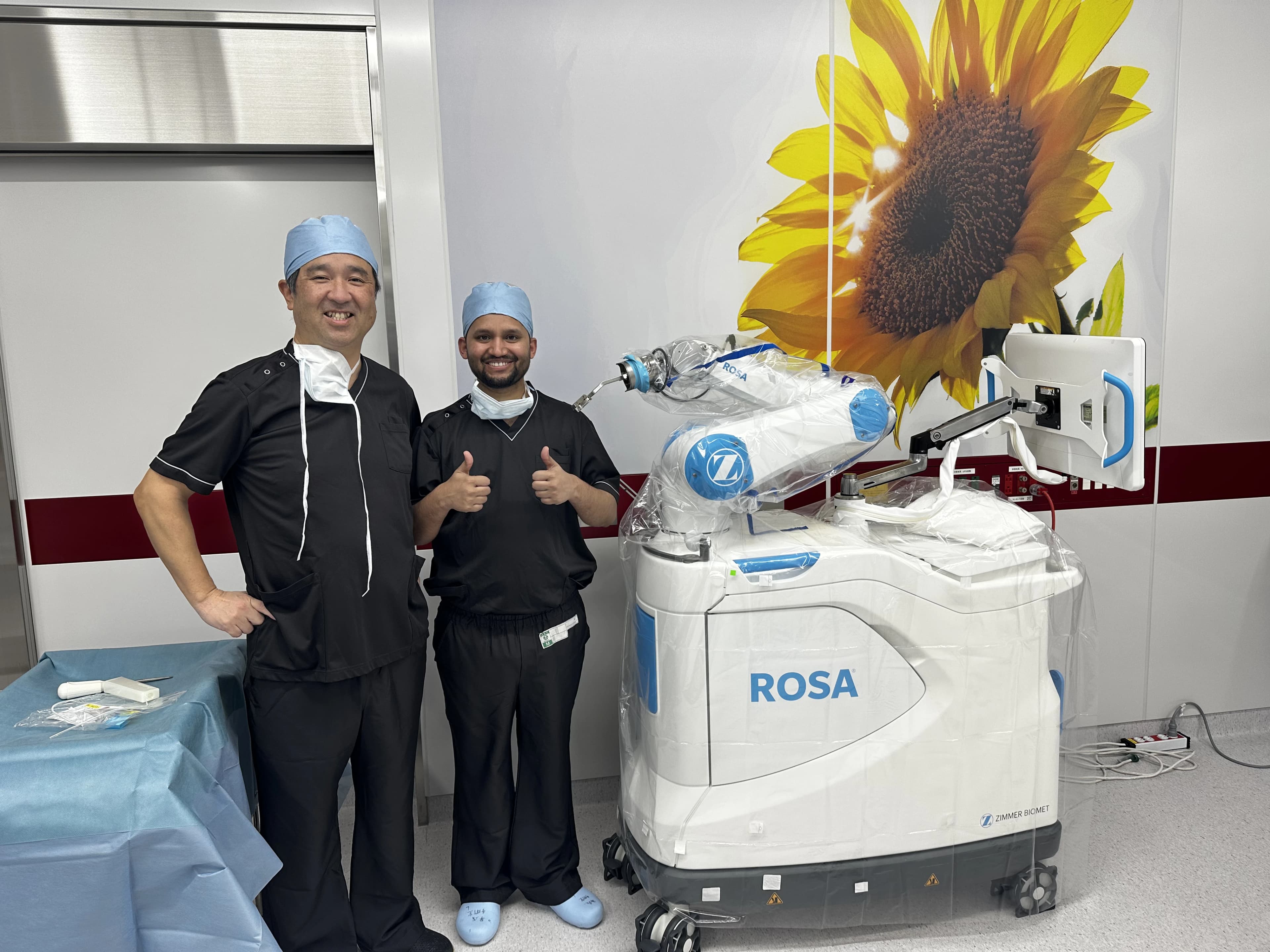
Intraoperative kinematics & 3D navigation alongside Japanese surgical faculty.
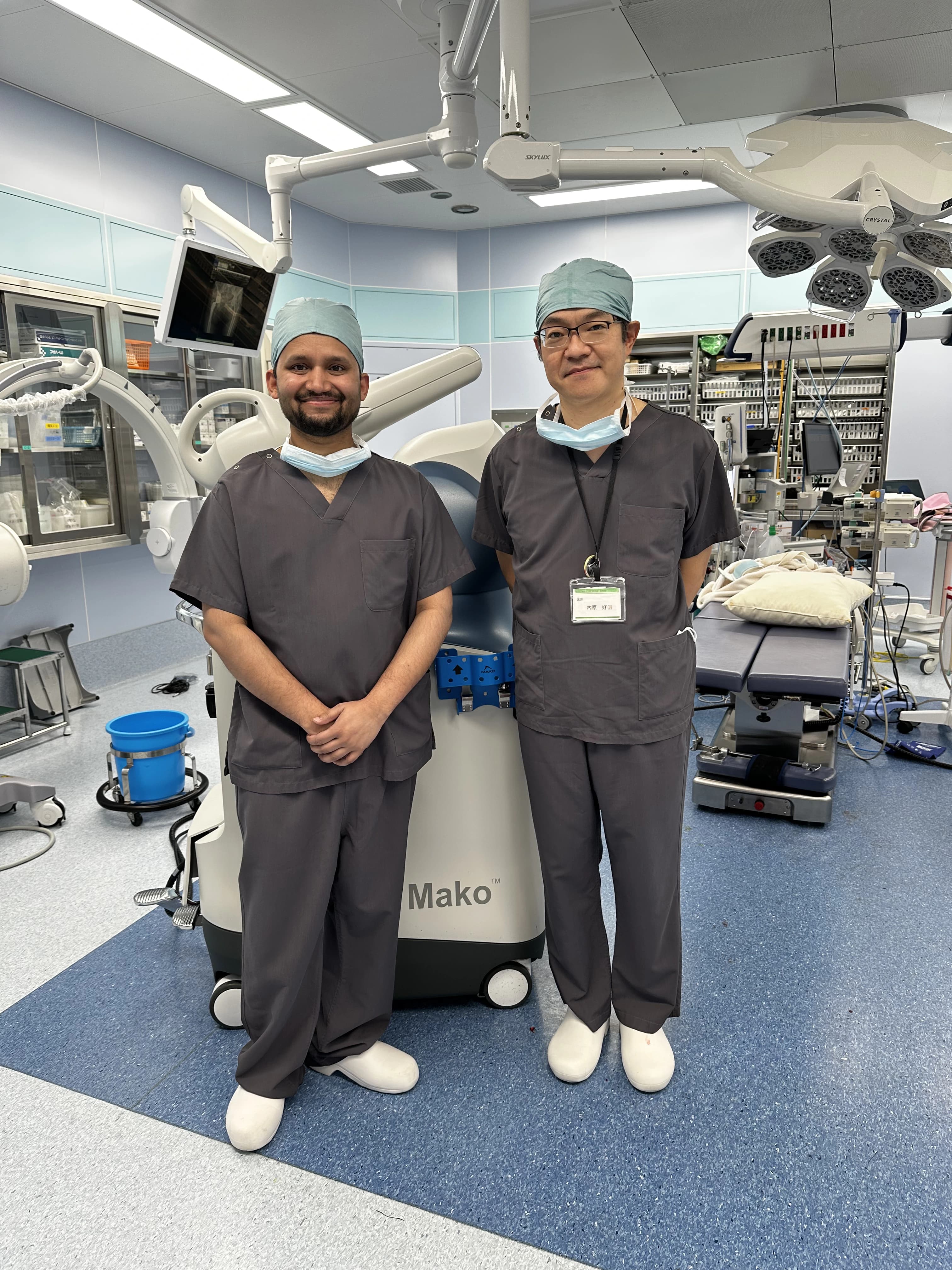
International fellowship-level precision applied to patient care in Patna.
Frequently Asked Questions on Limb Salvage Surgery
The Masquelet technique is a revolutionary two-stage surgery. First, a cement spacer induces a special biological membrane rich in growth factors. Six weeks later, the spacer is replaced with bone graft inside this membrane, which rapidly turns into solid bone.