
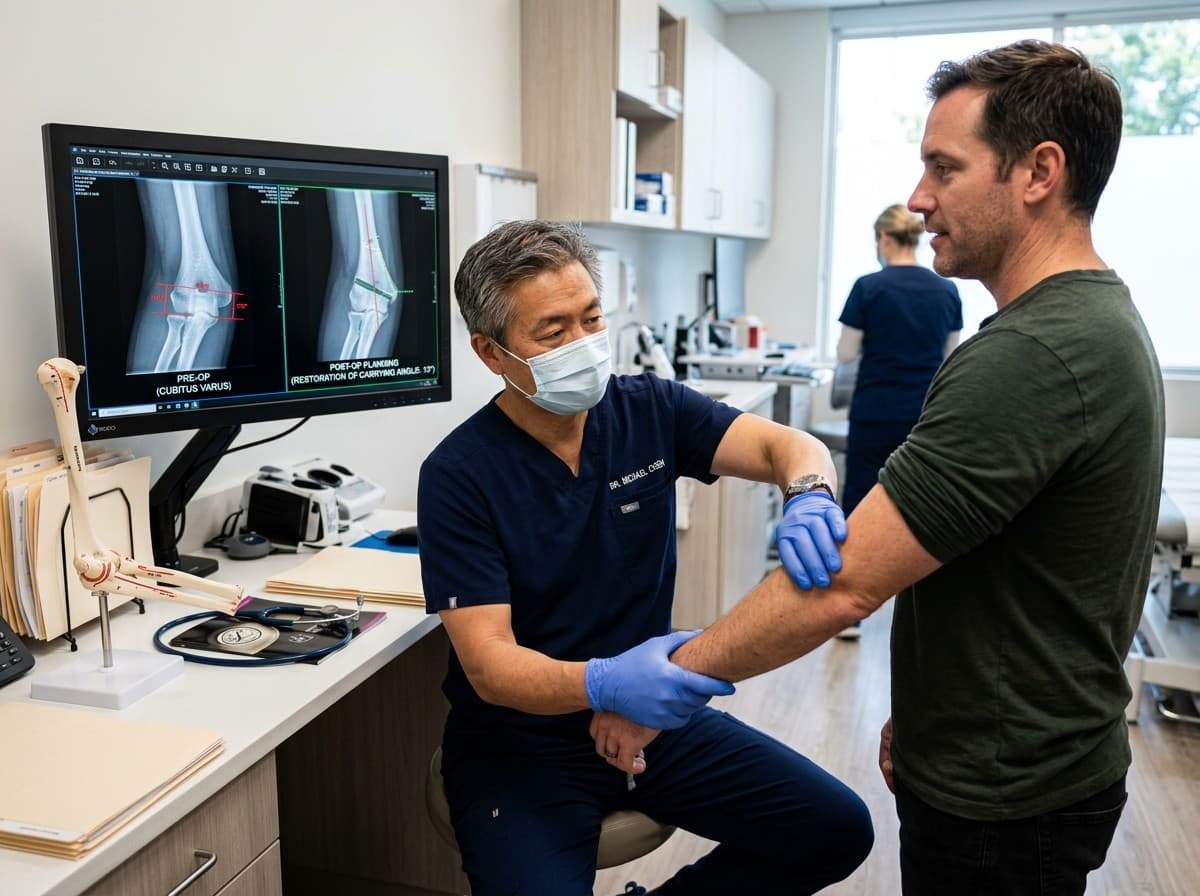

Understanding Deformity Correction, Malunion & Nonunion
When a bone fails to heal within expected biological timeframes (nonunion) or heals in an abnormal rotated or angulated position (malunion), patients suffer persistent pain, inability to bear weight, limb shortening, and progressive adjacent joint destruction. Reconstructive surgery addresses biology, mechanical stability, and alignment to achieve solid osseous consolidation.
The Biological Joint-Sparing Philosophy
By correcting mechanical weight-bearing malalignment through precision osteotomy and cartilage preservation, the load is shifted off damaged cartilage onto healthy bone—preserving your natural joint for years to come.
When Should You Consider Consultation for Deformity & Malunion Care?
Specialist intervention is considered when joint pain or functional limitation significantly disrupts your daily life and conservative measures have been exhausted. Check if you experience any of the following:
A fracture that continues to ache and remain unstable several months after initial treatment.
Obvious bending, bowing, or rotation in an arm or leg following a previous fracture.
Significant leg length discrepancy causing a pronounced limp or pelvic tilting.
Persistent drainage, redness, or sinus formation over a prior fracture surgery site.
Broken metal hardware (snapped plates or screws) inside an unhealed bone.

Dr. Vijay Kumar
Verified SpecialistSenior Consultant Orthopaedic, Robotic Joint Replacement & Complex Articular Trauma Surgeon
“My surgical philosophy centers on biological preservation, anatomical restoration, and rapid functional recovery. By tailoring the intervention to each patient's unique anatomy and lifestyle, we achieve lasting pain relief and active mobility.”
The 4-Stage Precision Clinical Workflow
Full-Leg Weight-Bearing Alignment Analysis
Rigorous metabolic workup (infection markers ESR/CRP, vitamin D, endocrine evaluation).
Precision Biplanar Osteotomy Planning
Debridement of fibrous pseudarthrosis tissue and opening of sclerotic medullary canals.
Rigid Locking Plate Stabilization
Harvesting of rich biological osteoinductive autograft (iliac crest or RIA system).
Protected Unloading & Gradual Rehabilitation
Rigid biomechanical stabilization utilizing locked internal fixators or circular frames.
Treatment Modalities Offered
Dr. Vijay Kumar practices conservative joint-sparing protocols first, proceeding to advanced surgical intervention only when indicated:
Non-Surgical & Joint Sparing
- Pulsed low-intensity ultrasound or electromagnetic bone stimulation in selected cases
- Rigid functional bracing for delayed union with intact hardware
- Optimized nutritional support (calcium, vitamin D, smoking cessation counseling)
Specialised Surgical Procedures
- Dormant nonunion debridement, autologous bone grafting, and rigid revision plating
- Reamed exchange intramedullary nailing for femoral and tibial aseptic nonunions
- Corrective osteotomy for post-traumatic angular and rotational malunions
- Limb lengthening and bone transport using circular frame / hexapod technology
- Two-stage Masquelet induced membrane technique for massive bone defect reconstruction
Recovery Timeline & Mobility Milestones
Month 1: Early pain relief once rigid mechanical stability is re-established.
Months 2–3: Radiographic evidence of bridging bone across prior nonunion gap.
Months 4–6: Solid cortical bridging, full weight-bearing, removal of external support.
Month 6+: Restoration of equal leg lengths and normal walking kinematics.
International Fellowship & Surgical Suite Records
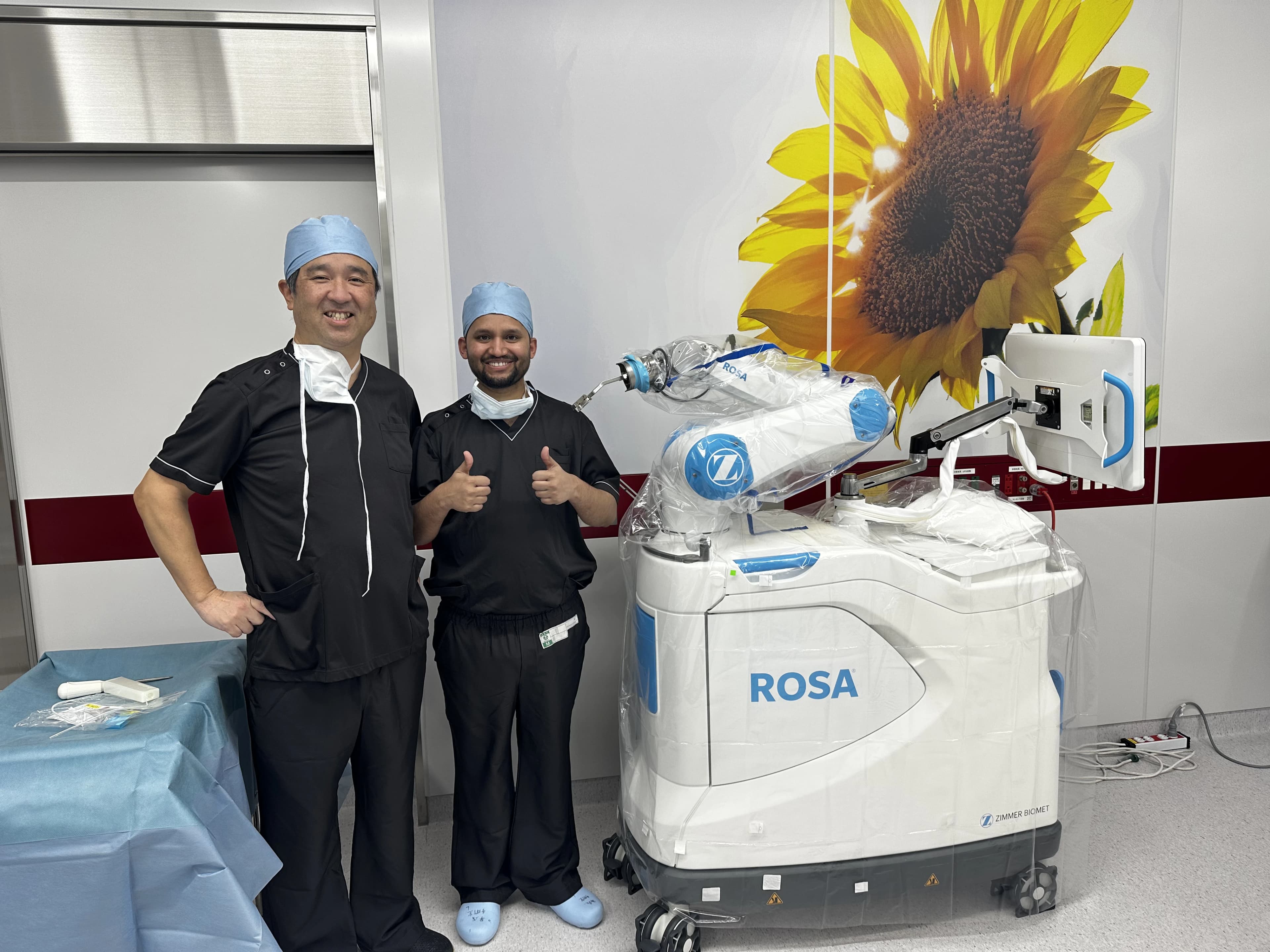
Intraoperative kinematics & 3D navigation alongside Japanese surgical faculty.
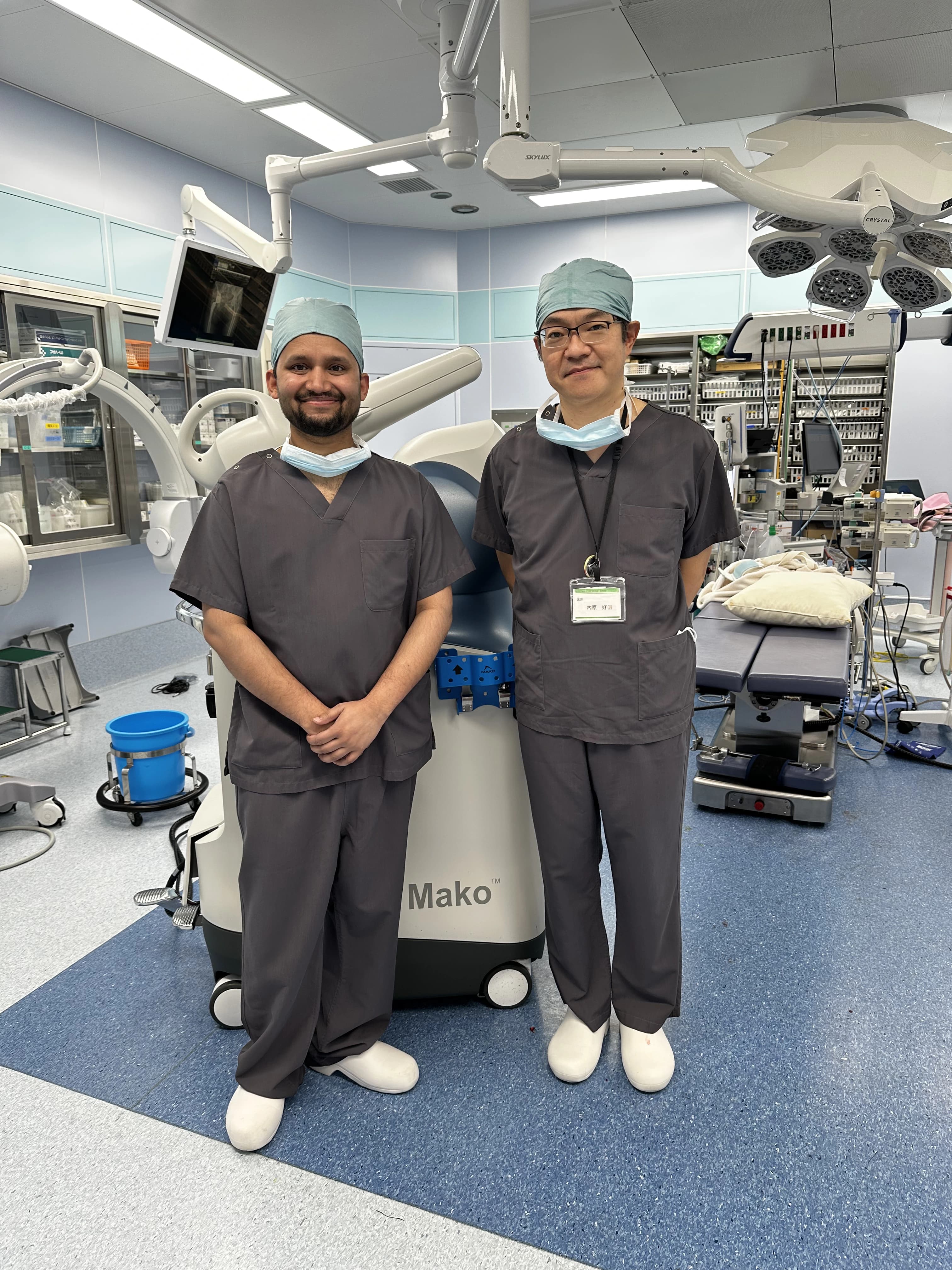
International fellowship-level precision applied to patient care in Patna.
Frequently Asked Questions on Deformity & Malunion Care
A nonunion occurs when a fractured bone completely fails to heal together over months, leaving an unstable painful gap. A malunion occurs when the bone does heal, but in an improper alignment (crooked, rotated, or shortened), leading to joint dysfunction and pain.