
Understanding Flatfoot, Bunions & Complex Foot Deformity Correction
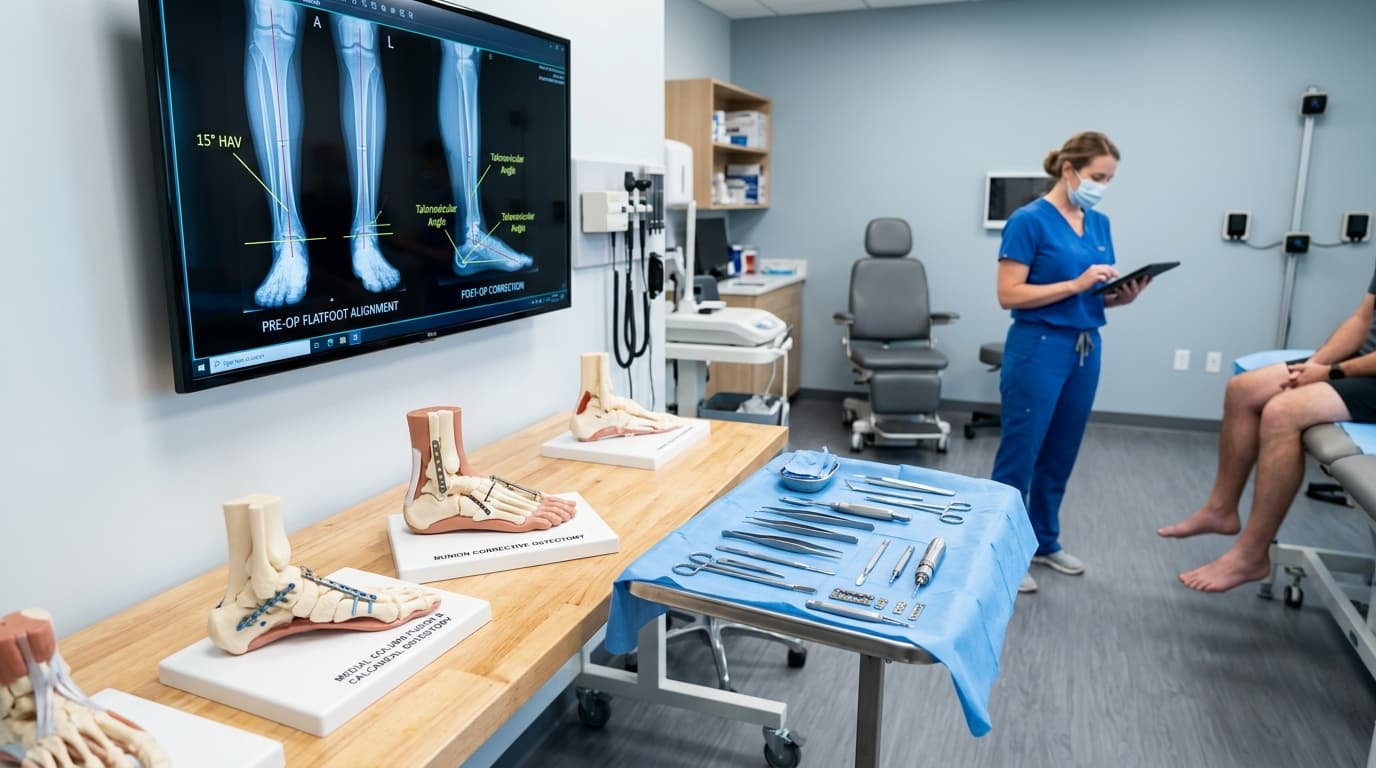
The foot is a complex architectural structure consisting of 26 bones, 33 joints, and over 100 muscles, tendons, and ligaments working harmoniously to distribute body weight. Conditions such as bunions (hallux valgus—painful bony prominence at the base of the big toe) and adult-acquired flatfoot (caused by posterior tibial tendon dysfunction or ligament laxity) alter foot biomechanics. This leads to chronic medial foot pain, difficulty finding footwear, fatigue, and secondary knee or back strain. Reconstructive foot surgery corrects the skeletal alignment to restore natural weight distribution.
The Biological Joint-Sparing Philosophy
By correcting mechanical weight-bearing malalignment through precision osteotomy and cartilage preservation, the load is shifted off damaged cartilage onto healthy bone—preserving your natural joint for years to come.
When Should You Consider Consultation for Flatfoot & Bunion Correction?
Specialist intervention is considered when joint pain or functional limitation significantly disrupts your daily life and conservative measures have been exhausted. Check if you experience any of the following:
A painful, visible bump on the inside edge of your big toe that rubs painfully against shoes (Bunion / Hallux Valgus).
Progressive flattening of the inner arch of your foot accompanied by pain along the inner ankle and heel.
Difficulty standing on tiptoe on the affected foot (single-heel rise test).
Development of calluses, corns, or curled toes (hammer toes / claw toes) due to altered pressure.
Foot and ankle pain that prevents regular walking, exercising, or comfortable shoe wear.
Failure of custom arch supports, orthotics, or footwear modifications to relieve symptoms.
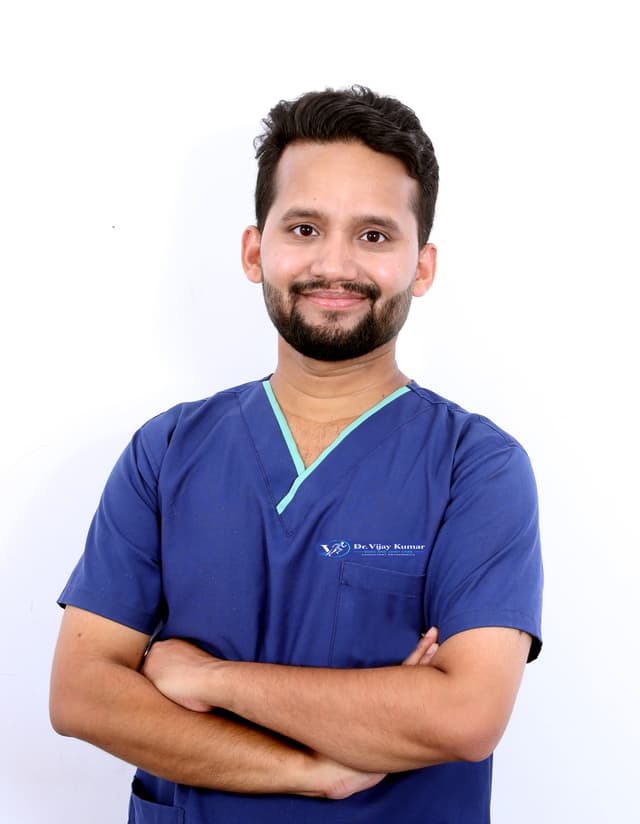
Dr. Vijay Kumar
Verified SpecialistSenior Consultant Orthopaedic, Robotic Joint Replacement & Complex Articular Trauma Surgeon
“My surgical philosophy centers on biological preservation, anatomical restoration, and rapid functional recovery. By tailoring the intervention to each patient's unique anatomy and lifestyle, we achieve lasting pain relief and active mobility.”
The 4-Stage Precision Clinical Workflow
Full-Leg Weight-Bearing Alignment Analysis
Weight-bearing radiographic assessment and computerized measurement of the intermetatarsal and hallux valgus angles.
Precision Biplanar Osteotomy Planning
Preservation of native joint motion through precise bone-cutting osteotomies rather than joint fusion whenever possible.
Rigid Locking Plate Stabilization
Rigid fixation of realigned bones using low-profile titanium headless compression screws.
Protected Unloading & Gradual Rehabilitation
Tendon balancing and soft-tissue re-tensioning to maintain long-term arch stability.
Stage 05: Joint Preservation Stage
Application of a specialized protective post-op surgical shoe facilitating early protected heel-weight bearing.
Treatment Modalities Offered
Dr. Vijay Kumar practices conservative joint-sparing protocols first, proceeding to advanced surgical intervention only when indicated:
Non-Surgical & Joint Sparing
- Custom-molded biomechanical orthotics and medial arch supports
- Footwear modification (wide toe box, stiff rocker-bottom soles, supportive counters)
- Posterior tibial and peroneal tendon strengthening exercises
- Targeted calf stretching to alleviate excessive forefoot overload
Specialised Surgical Procedures
- Scarf & Akin Osteotomies for moderate-to-severe Hallux Valgus (bunion) correction
- Medializing Calcaneal Osteotomy (MCO) to shift the heel axis under the tibia
- Flexor Digitorum Longus (FDL) Tendon Transfer to restore arch suspension
- Spring Ligament Reconstruction and Cotton (medial cuneiform) Osteotomy
- Targeted Subtalar or Triple Arthrodesis for rigid, arthritic end-stage flatfoot deformities
Recovery Timeline & Mobility Milestones
Weeks 1–2: Foot elevation to minimize swelling; protected heel-weight bearing in special post-op shoe.
Weeks 3–6: Progressive weight-bearing, toe active mobilization, swelling management.
Weeks 6–8: Follow-up X-rays confirming bone union; transition from surgical shoe to supportive athletic trainers.
Months 3–4: Normal unrestricted walking, return to light jogging, comfortable fit in standard footwear.
International Fellowship & Surgical Suite Records
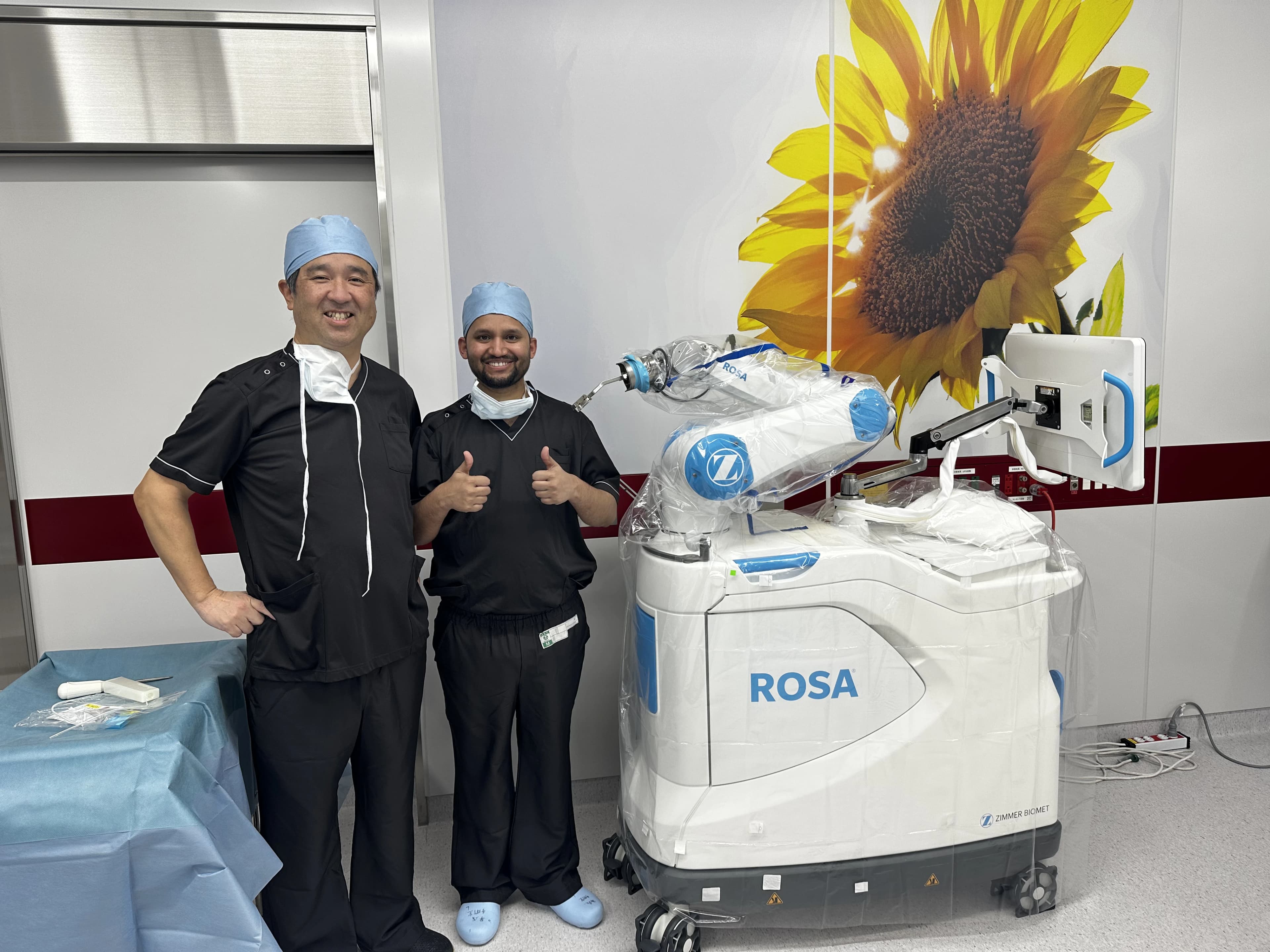
Intraoperative kinematics & 3D navigation alongside Japanese surgical faculty.
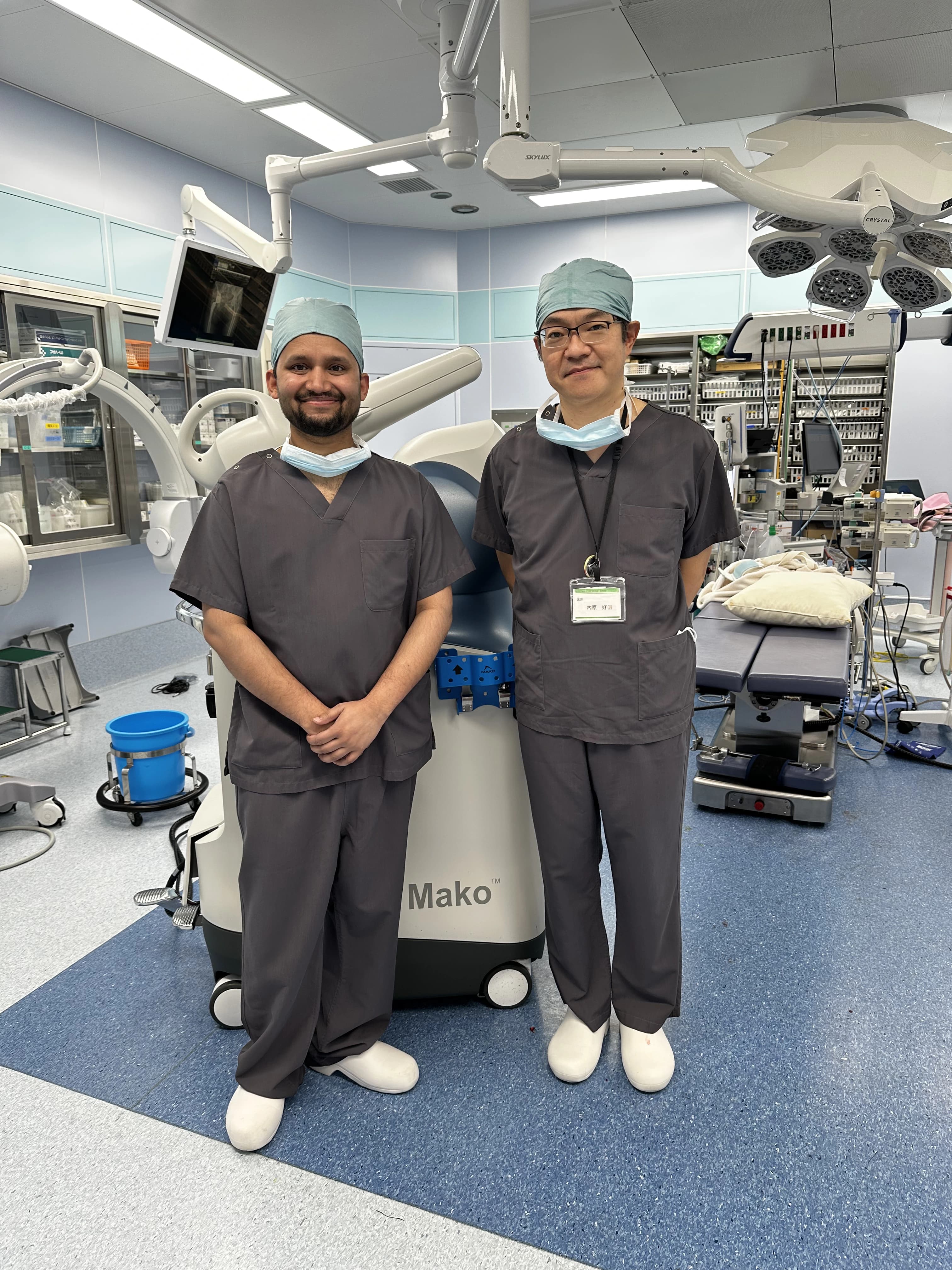
International fellowship-level precision applied to patient care in Patna.
Frequently Asked Questions on Flatfoot & Bunion Correction
When performed using modern precision osteotomies (like Scarf and Akin procedures) that correct the underlying angular bone deformity rather than just shaving the bump, recurrence rates are extremely low (<5%).