
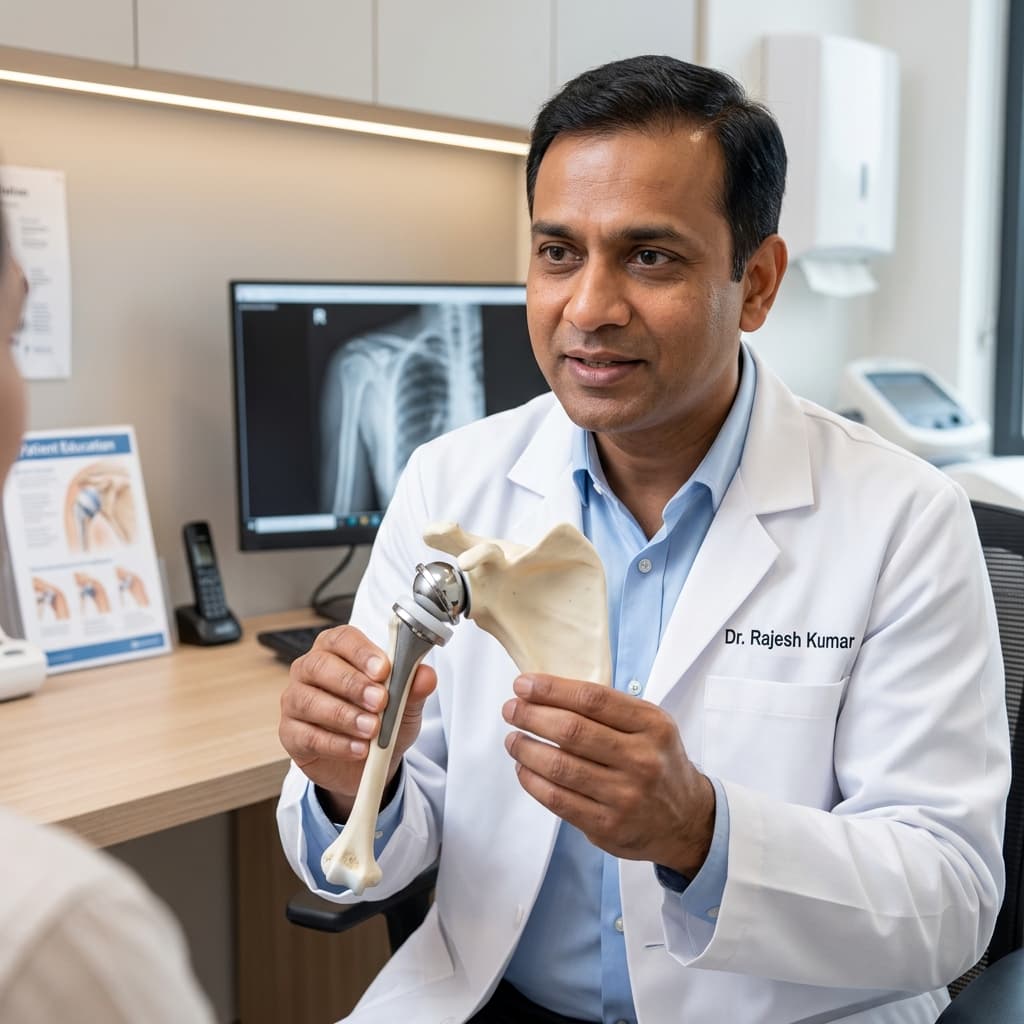

Understanding Comprehensive Shoulder Care & Shoulder Replacement
When severe osteoarthritis, rheumatoid arthritis, avascular necrosis of the humeral head, or massive irreparable rotator cuff tears destroy the shoulder joint, conservative treatments become ineffective. Modern shoulder replacement encompasses Anatomical Shoulder Arthroplasty (when the rotator cuff is intact) and Reverse Shoulder Arthroplasty (when rotator cuff tendons are severely deficient), shifting the mechanical fulcrum to let the deltoid muscle lift the arm.
Personalized Evidence-Based Clinical Care
Every treatment protocol is tailored specifically to your diagnosis, anatomy, and lifestyle goals, combining cutting-edge surgical precision with structured physiotherapy for optimal long-term outcomes.
When Should You Consider Consultation for Shoulder Replacement?
Specialist intervention is considered when joint pain or functional limitation significantly disrupts your daily life and conservative measures have been exhausted. Check if you experience any of the following:
Severe shoulder pain that prevents arm elevation above shoulder level.
Inability to reach high shelves, brush hair, or fasten garments behind the back.
Rotator Cuff Tear Arthropathy diagnosed on MRI / X-ray.
Complex proximal humerus fracture in elderly patients not reconstructable with plates.
Persistent pain and bone-on-bone grinding felt during any arm movement.

Dr. Vijay Kumar
Verified SpecialistSenior Consultant Orthopaedic, Robotic Joint Replacement & Complex Articular Trauma Surgeon
“My surgical philosophy centers on biological preservation, anatomical restoration, and rapid functional recovery. By tailoring the intervention to each patient's unique anatomy and lifestyle, we achieve lasting pain relief and active mobility.”
The 4-Stage Precision Clinical Workflow
Comprehensive Clinical & Imaging Diagnosis
Digital templating of glenoid version, bone vault depth, and humeral inclination.
Tailored Minimally Invasive Approach
Deltopectoral approach with careful preservation of neurovascular anatomy.
Anatomical Restoration & Tissue Decompression
Precise preparation of the glenoid vault and placement of trabecular metal baseplate.
Accelerated Functional Rehabilitation
For Reverse Shoulder: Glenosphere placement and humeral socket positioning to optimize deltoid tension.
Stage 05: Treatment Phase
Meticulous soft-tissue balancing and subscapularis repair where applicable.
Treatment Modalities Offered
Dr. Vijay Kumar practices conservative joint-sparing protocols first, proceeding to advanced surgical intervention only when indicated:
Non-Surgical & Joint Sparing
- Deltoid-focused rehabilitation protocols
- Gentle stretching for secondary capsular contracture
- Analgesics and anti-inflammatory therapy
- Glenohumeral injections for temporary comfort
Specialised Surgical Procedures
- Anatomical Total Shoulder Arthroplasty (TSA)
- Reverse Total Shoulder Arthroplasty (RTSA)
- Hemiarthroplasty for selected humeral head fractures
- Revision Shoulder Arthroplasty for loosened or painful previous implants
Recovery Timeline & Mobility Milestones
Weeks 1–3: Sling immobilization; passive forward flexion and hand/wrist exercises.
Weeks 4–6: Discontinuation of sling; active-assisted forward elevation and external rotation.
Weeks 8–12: Progressive strengthening of deltoid and periscapular stabilizers.
Month 4+: Pain-free performance of daily tasks, self-care, gardening, and light driving.
International Fellowship & Surgical Suite Records
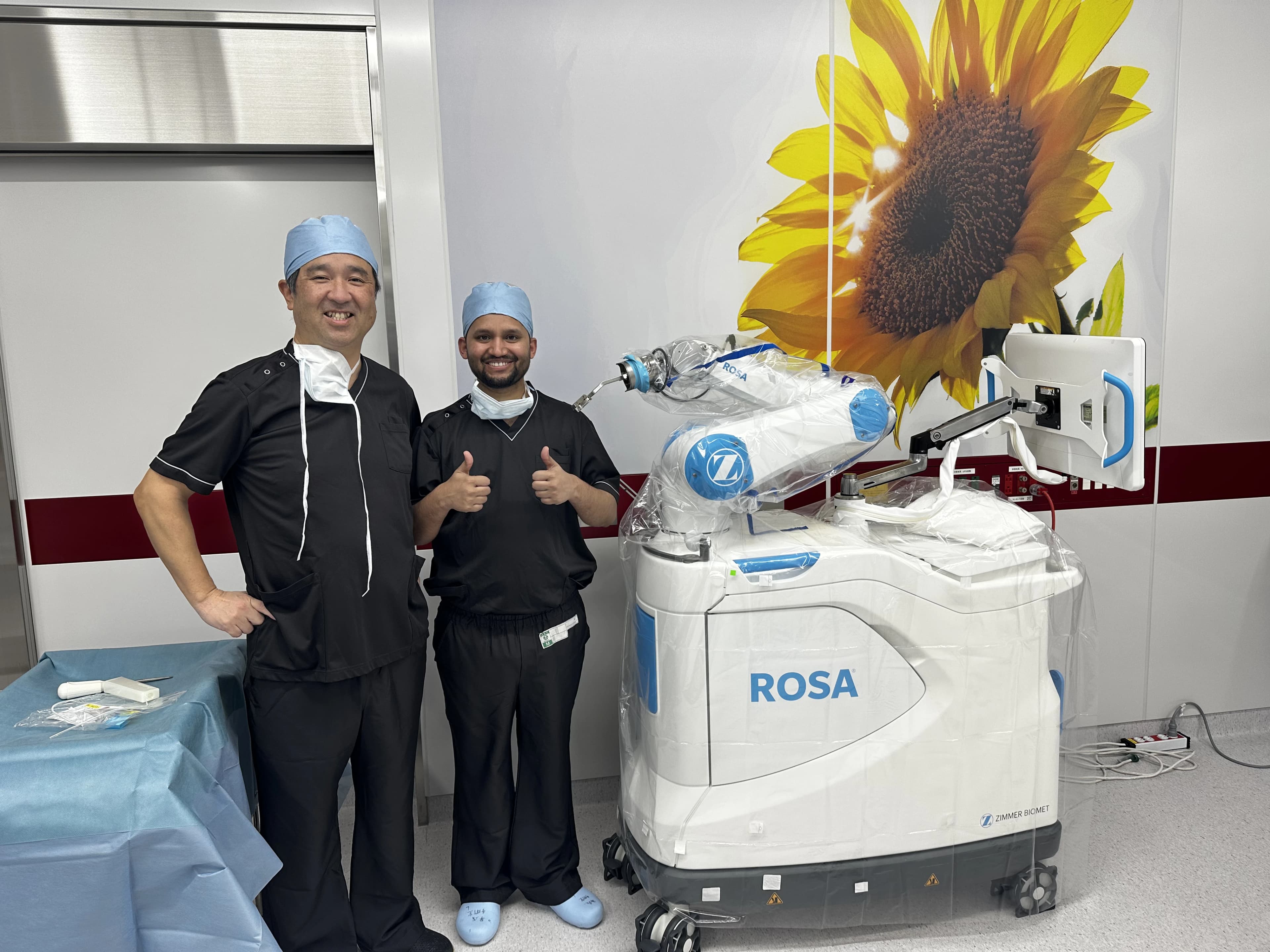
Intraoperative kinematics & 3D navigation alongside Japanese surgical faculty.
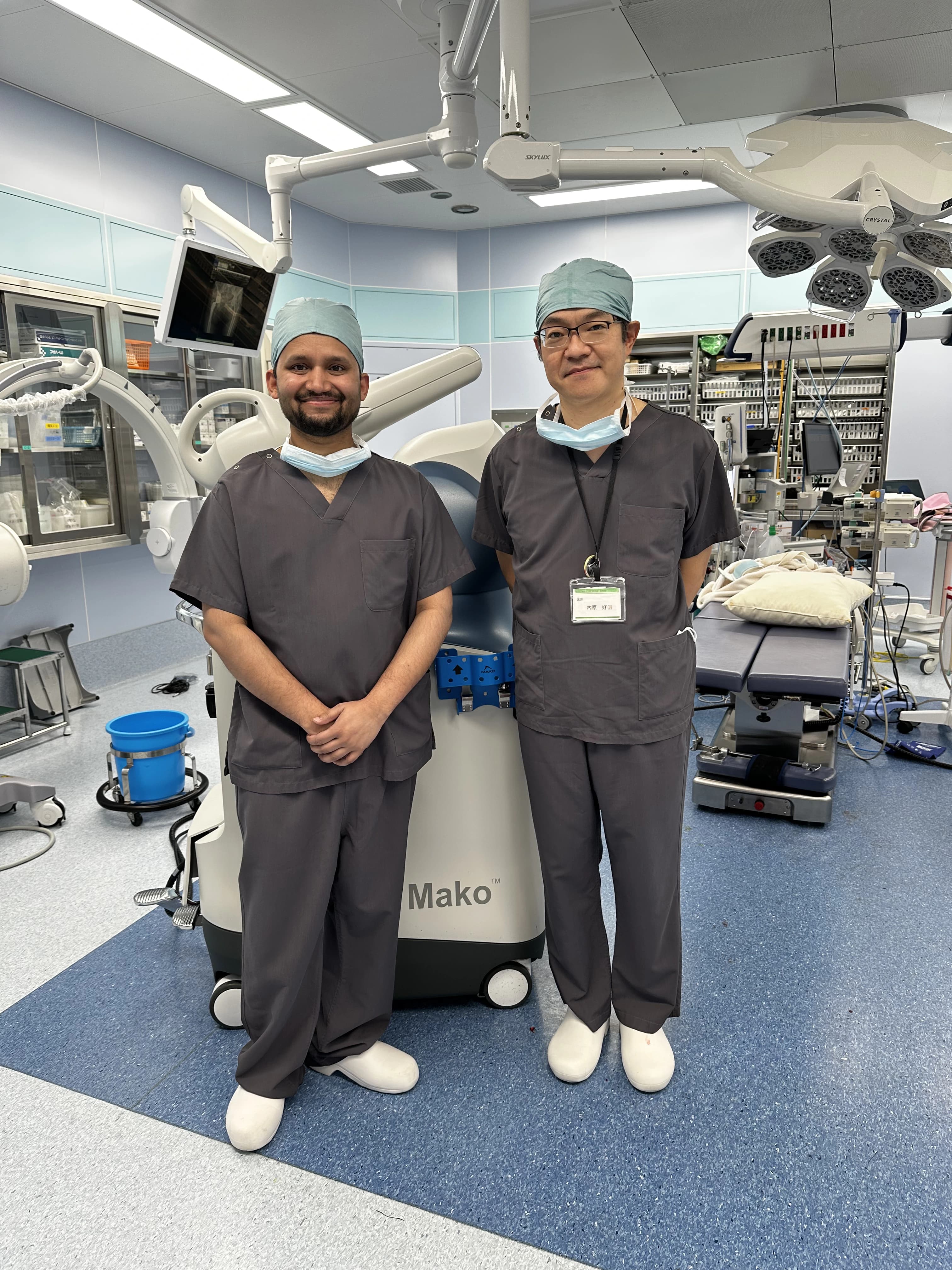
International fellowship-level precision applied to patient care in Patna.
Frequently Asked Questions on Shoulder Replacement
In an anatomical shoulder replacement, the natural anatomy is replicated: a metal ball replaces the humeral head, and a plastic cup lines the socket. This requires an intact rotator cuff. In a Reverse Shoulder Replacement, the ball is placed on the shoulder blade (glenoid) and the socket on the arm bone (humerus). This ingenious design allows the deltoid muscle to lift the arm without relying on a torn rotator cuff.