
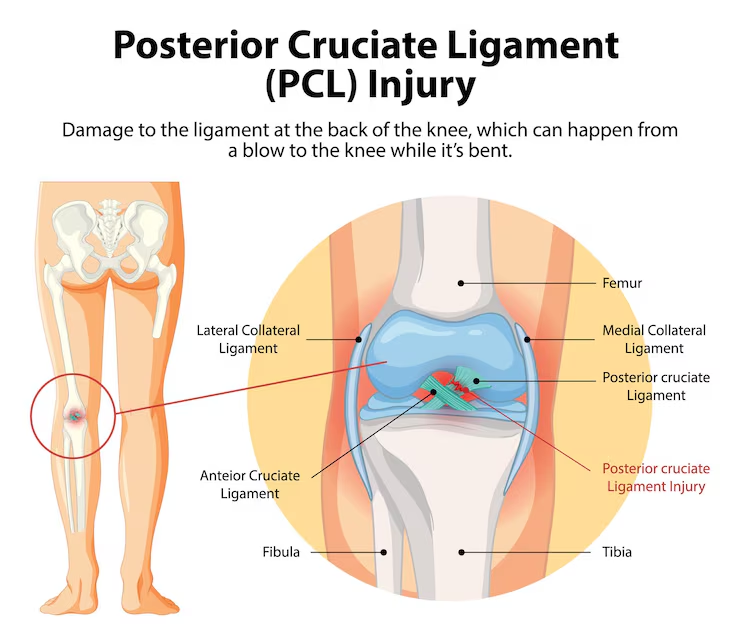

Understanding ACL & PCL Ligament Reconstruction Surgery
The Anterior Cruciate Ligament (ACL) and Posterior Cruciate Ligament (PCL) are the central stabilizing pillars of the knee joint. High-energy twisting, sudden deceleration, direct collisions, or vehicular trauma can tear these ligaments, causing immediate joint effusion, instability ('giving way' sensation), and progressive damage to the menisci and articular cartilage. Left untreated, chronic instability dramatically accelerates degenerative arthritis. Modern arthroscopic reconstruction replaces the torn ligament with a robust autograft positioned precisely along its native footprint.
The Minimally Invasive Arthroscopy Advantage
Advanced 4K keyhole arthroscopy allows complete visualization and anatomical repair through pencil-thin incisions, eliminating extensive soft-tissue cutting, preserving natural joint biomechanics, and drastically accelerating recovery.
When Should You Consider Consultation for ACL & PCL Ligament Surgery?
Specialist intervention is considered when joint pain or functional limitation significantly disrupts your daily life and conservative measures have been exhausted. Check if you experience any of the following:
A distinct 'pop' sound or sensation in the knee during sports or twisting movement, followed by rapid swelling.
Knee instability or the feeling that the knee is buckling or 'giving way' during walking, pivoting, or stair climbing.
Persistent joint pain and inability to bear weight immediately following an athletic or traumatic injury.
Chronic knee swelling that recurs with recreational activity or sports.
Associated locking or catching indicating concomitant meniscus tear.
Desire to safely return to cutting, pivoting sports, running, or active physical labor.
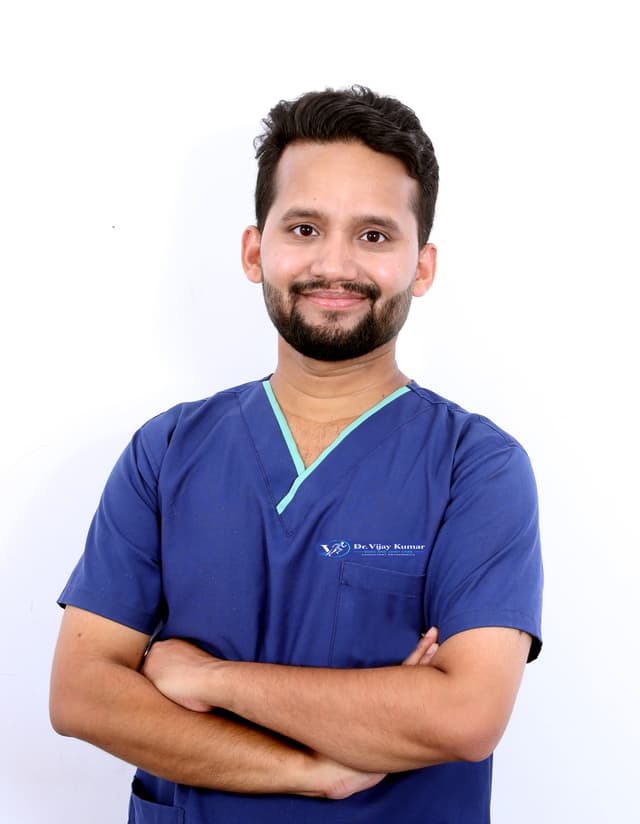
Dr. Vijay Kumar
Verified SpecialistSenior Consultant Orthopaedic, Robotic Joint Replacement & Complex Articular Trauma Surgeon
“My surgical philosophy centers on biological preservation, anatomical restoration, and rapid functional recovery. By tailoring the intervention to each patient's unique anatomy and lifestyle, we achieve lasting pain relief and active mobility.”
The 4-Stage Precision Clinical Workflow
Pre-Operative MRI & Diagnostic Mapping
High-definition 4K arthroscopic diagnostic examination of the entire joint, assessing cartilage and meniscus integrity.
High-Definition 4K Arthroscopic Access
Minimally invasive harvest of graft tissue through a cosmetically concealed small incision.
Precision Anatomical Repair / Reconstruction
Precision drilling of femoral and tibial anatomical tunnels at the exact native footprint to replicate natural rotational control.
Bio-Fixation & Sports Rehab Roadmap
Passage and bio-inert fixation of the graft under controlled anatomical tension using cortical buttons and interference screws.
Stage 05: Arthroscopic Execution
Concurrent repair of any associated meniscus or chondral tears prior to joint closure.
Treatment Modalities Offered
Dr. Vijay Kumar practices conservative joint-sparing protocols first, proceeding to advanced surgical intervention only when indicated:
Non-Surgical & Joint Sparing
- Structured pre-operative 'pre-habilitation' to restore full range of motion and reduce effusion
- Functional knee bracing for isolated low-grade partial tears in non-active individuals
- Targeted neuromuscular hamstring and quadriceps kinetic chain rehabilitation
- Activity modification for sedentary patients without functional instability episodes
Specialised Surgical Procedures
- Arthroscopic Anatomical ACL Reconstruction (Quad Tendon, Hamstring, or Bone-Patellar Tendon-Bone)
- Arthroscopic PCL Reconstruction with biomechanical graft tensioning
- Combined Multi-Ligament Reconstruction (ACL + PCL + MCL / LCL / PLC)
- Concurrent Meniscus Repair (all-inside, inside-out suture) or Meniscal Root Anchor Fixation
- Lateral Extra-Articular Tenodesis (LET) for high-grade pivot shift or hyperlaxity
Recovery Timeline & Mobility Milestones
Weeks 1–2: Full knee extension, swelling control, quad activation, and gradual full weight bearing with brace.
Weeks 3–6: Full flexion recovery, stationary cycling, closed-chain strengthening.
Months 3–4: Straight-line jogging, agility ladder drills, eccentric strength progression.
Months 6–9: Sport-specific plyometrics, functional hop testing (>90% symmetry), and clearance for contact sports.
International Fellowship & Surgical Suite Records
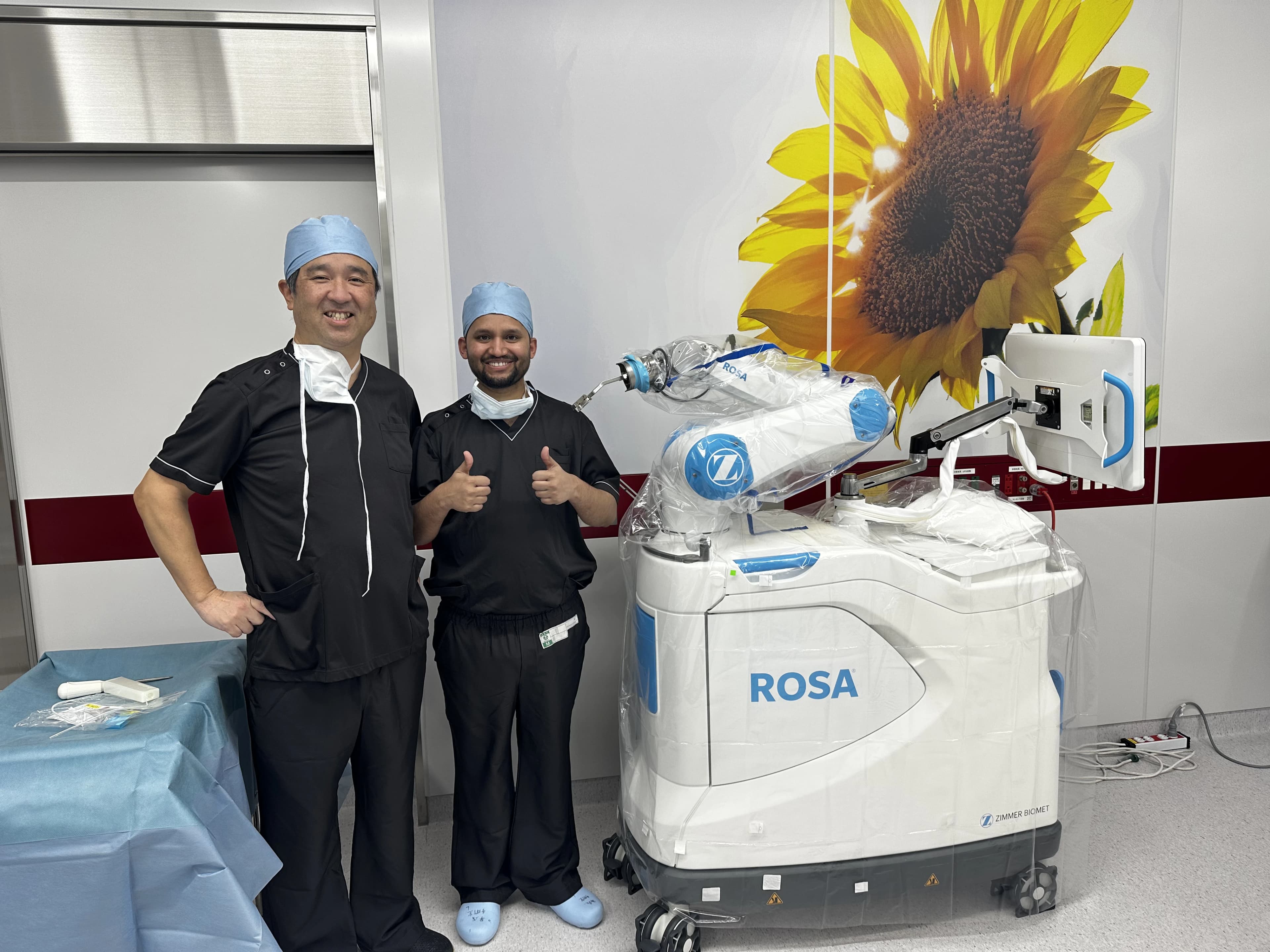
Intraoperative kinematics & 3D navigation alongside Japanese surgical faculty.
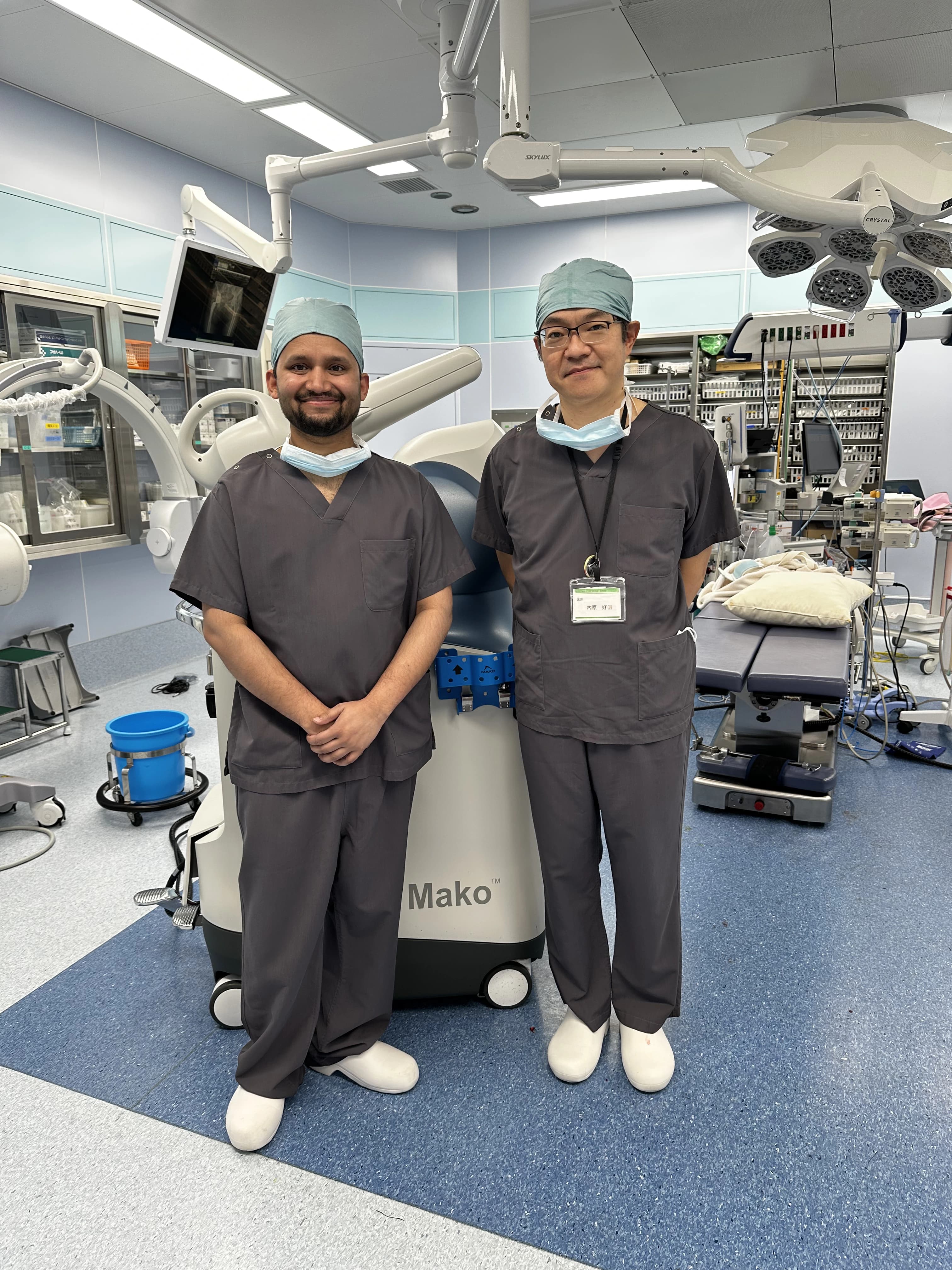
International fellowship-level precision applied to patient care in Patna.
Frequently Asked Questions on ACL & PCL Ligament Surgery
Complete ACL tears cannot heal on their own due to the absence of blood supply inside the joint fluid. While sedentary individuals might manage with muscle strengthening and bracing, active individuals and sports enthusiasts require surgical reconstruction to prevent recurrent instability and meniscus damage.